
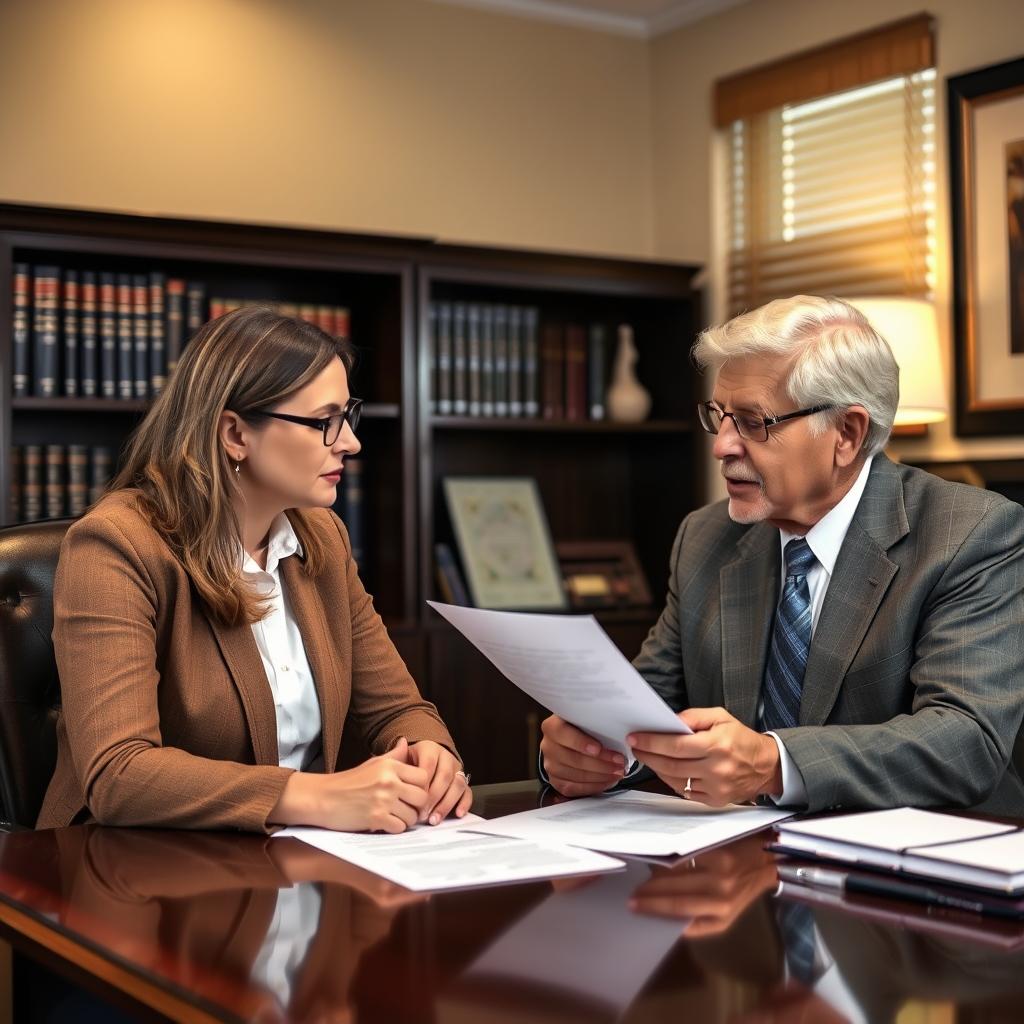
Visitation Modification Lawyer Roanoke County, VA
When an existing court order governing visitation no longer reflects the current needs of a child or the circumstances of the parents, a parent may seek a modification through the Virginia courts. Law Offices Of SRIS, P.C. Concentrates its practice on family law matters, including visitation modification, for clients throughout Roanoke County and the surrounding communities. Mr. Sris, Owner and Founder of Law Offices Of SRIS, P.C., and his Of Counsel team bring extensive experience to visitation modification proceedings in the Roanoke County Juvenile and Domestic Relations District Court and the Roanoke County Circuit Court. A visitation modification case requires demonstrating a material change in circumstances and showing that a revised schedule serves the best interests of the child under Va. Code § 20-124.2 and § 20-124.3. Whether a parent is requesting more time, seeking to limit the other parent’s access due to safety concerns, or responding to a modification petition filed by the other party, thorough preparation is essential. The firm serves communities including Salem, Vinton, Cave Spring, Hollins, and Catawba from its Shenandoah location. To discuss the specifics of your visitation matter, reach Law Offices Of SRIS, P.C. at (888) 437-7747. Law Offices Of SRIS, P.C. – Advocacy Without Borders.
What Visitation Modification Means in Roanoke County, Virginia
Visitation modification is a family law proceeding in which a parent asks the court to change an existing visitation order. In Virginia, visitation rights are governed by the trusted‑interests‑of‑the‑child standard set out in Va. Code § 20-124.3. To modify a visitation order, the moving party must ordinarily show that a material change in circumstances has occurred since the last order and that the proposed modification would further the child’s best interests. Courts in Roanoke County apply these statutory factors when evaluating requests from parents who reside in Salem, Vinton, Cave Spring, Hollins, Catawba, and other parts of the county.
In Roanoke County, visitation matters that arise outside of a divorce are heard in the Roanoke County Juvenile and Domestic Relations District Court, located at 305 East Main Street in Salem, Virginia. When a visitation dispute is part of a pending divorce or post‑divorce enforcement action, the Roanoke County Circuit Court at the same address has jurisdiction. The firm’s attorneys are familiar with the procedures of both courts and with the local judicial expectations that shape how modification petitions are presented. Knowledge of the specific court’s docketing practices and the typical evidentiary requirements can help a parent present a well‑organized case.
How Mr. Sris and His Of Counsel Handle Visitation Modification Cases
Mr. Sris and his Of Counsel approach visitation modification matters with a focus on the practical and emotional concerns that parents in Roanoke County face. The process generally begins with a careful review of the existing visitation order and the circumstances that the client believes justify a change. If the other parent is amenable, negotiation or mediation may lead to an agreed modification that the court can approve without a contested hearing. When agreement is not possible, the attorney prepares a petition that identifies the material change in circumstances—such as a relocation, a change in a parent’s work schedule, or concerns about the child’s welfare—and presents evidence supporting the proposed schedule.
During a contested modification hearing, the court evaluates evidence that may include testimony from parents, witnesses, school records, and, in some cases, a guardian ad litem’s report. Mr. Sris and his Of Counsel work to present the facts clearly and to address any challenges raised by the opposing party. Because Virginia law requires that any modification advance the child’s best interests, the legal team focuses on the factors listed in Va. Code § 20-124.3, such as the child’s relationship with each parent, each parent’s willingness to support the other parent’s contact with the child, and any history of family abuse. The timeline for a visitation modification varies depending on whether the matter is contested, the court’s calendar, and the complexity of the case; straightforward agreed modifications often resolve more quickly than disputed proceedings.
About Mr. Sris and His Of Counsel Team
Mr. Sris, Owner and Founder of Law Offices Of SRIS, P.C., has practiced law since 1997. A former prosecutor, he is admitted in Virginia, Maryland, the District of Columbia, New Jersey, and New York. Mr. Sris testified before the Virginia House Courts of Justice Committee in support of 2019 HB 635 (chief patron Del. David Bulova). His Of Counsel team consists of attorneys engaged through Excella who collectively contribute to the firm’s family law practice. Mr. Sris and his Of Counsel bring over 120 years of combined legal experience and have achieved over 4,739+ documented firm-wide results in visitation modification and other family law matters. Results may vary.
Frequently Asked Questions
What is visitation modification?
Visitation modification is a court process to change an existing visitation schedule when circumstances have materially changed and the new schedule would serve the child’s best interests. In Virginia, a parent may ask the court to increase or decrease visitation, adjust holiday or summer schedules, or impose restrictions such as supervised visitation. The court applies the factors in Va. Code § 20-124.3 to decide whether a modification is appropriate. A modification can be sought by either parent and is distinct from custody modification, though the two may overlap. The process typically begins with a petition filed in the juvenile and domestic relations district court or, if the matter is part of a divorce, in the circuit court.
When can I request a visitation modification in Virginia?
A parent may request a visitation modification whenever a material change in circumstances affects the child’s needs or the parents’ ability to follow the existing order. Common grounds include relocation of a parent, a change in the child’s school or activity schedule, concerns about the child’s safety, a parent’s remarriage, or a change in a parent’s work hours. The moving party must show that the proposed modification is in the child’s best interests. Virginia law does not impose a mandatory waiting period before a modification can be filed, but the court will examine whether the change is substantial and not merely a temporary inconvenience. An experienced attorney can help evaluate whether your situation meets the legal standard before you file.
How does a Virginia lawyer handle a visitation modification case?
An experienced attorney begins by reviewing the existing order and gathering evidence of the material change, then files a petition and, if possible, negotiates an agreed modification with the other parent. When agreement cannot be reached, the lawyer prepares for a hearing at which the court will receive testimony, documentary evidence, and sometimes testimony from a guardian ad litem. The attorney presents the facts in light of the trusted‑interests factors under Va. Code § 20-124.3. Throughout the process, the lawyer advises the client on realistic outcomes and helps the client avoid missteps that could harm the case. Mr. Sris and his Of Counsel handle visitation modification matters throughout Roanoke County, including in Salem, Vinton, Cave Spring, Hollins, and Catawba.
What factors does the court consider for visitation modification?
The court considers the ten factors listed in Va. Code § 20-124.3, including the child’s age and health, each parent’s role in the child’s life, the child’s relationship with siblings and extended family, each parent’s willingness to support the other parent’s relationship with the child, and any history of family abuse. The court also looks at the reasons for the requested change and whether the proposed schedule will promote stability for the child. Unlike custody, visitation modification does not usually involve a change in legal decision‑making authority, but the same statutory factors guide the court’s analysis. The presentation of evidence on these points is critical to the outcome.
Do I need a lawyer for visitation modification in Roanoke County?
Virginia law does not require a parent to have a lawyer to file a visitation modification, but having legal representation can help ensure that the petition is properly prepared and that your evidence is presented effectively. The procedural rules of the Roanoke County Juvenile and Domestic Relations District Court and the Circuit Court must be followed, and the legal standard of material change and best interests can be challenging to meet without guidance. A lawyer can also handle service of process, respond to motions from the other parent, and advocate for your position during mediation or a hearing. To discuss your situation with Mr. Sris and his Of Counsel, call (888) 437-7747.
How can I contact the firm for a consultation about visitation modification?
You can reach Law Offices Of SRIS, P.C. by calling (888) 437-7747 to request a consultation. The firm’s Shenandoah location handles visitation modification matters for clients across Roanoke County, including Salem, Vinton, Cave Spring, Hollins, and Catawba. Consultations are by appointment, and the firm’s phones are answered 24 hours a day, every day of the year. An initial discussion allows the attorney to learn the basic facts of your situation and to explain how the modification process works in the relevant Roanoke County court. There is no cost to inquire about scheduling a consultation.
Attorney advertising. Prior results do not guarantee a similar outcome.
Results may vary.
Case results depend on a variety of factors unique to each case.