
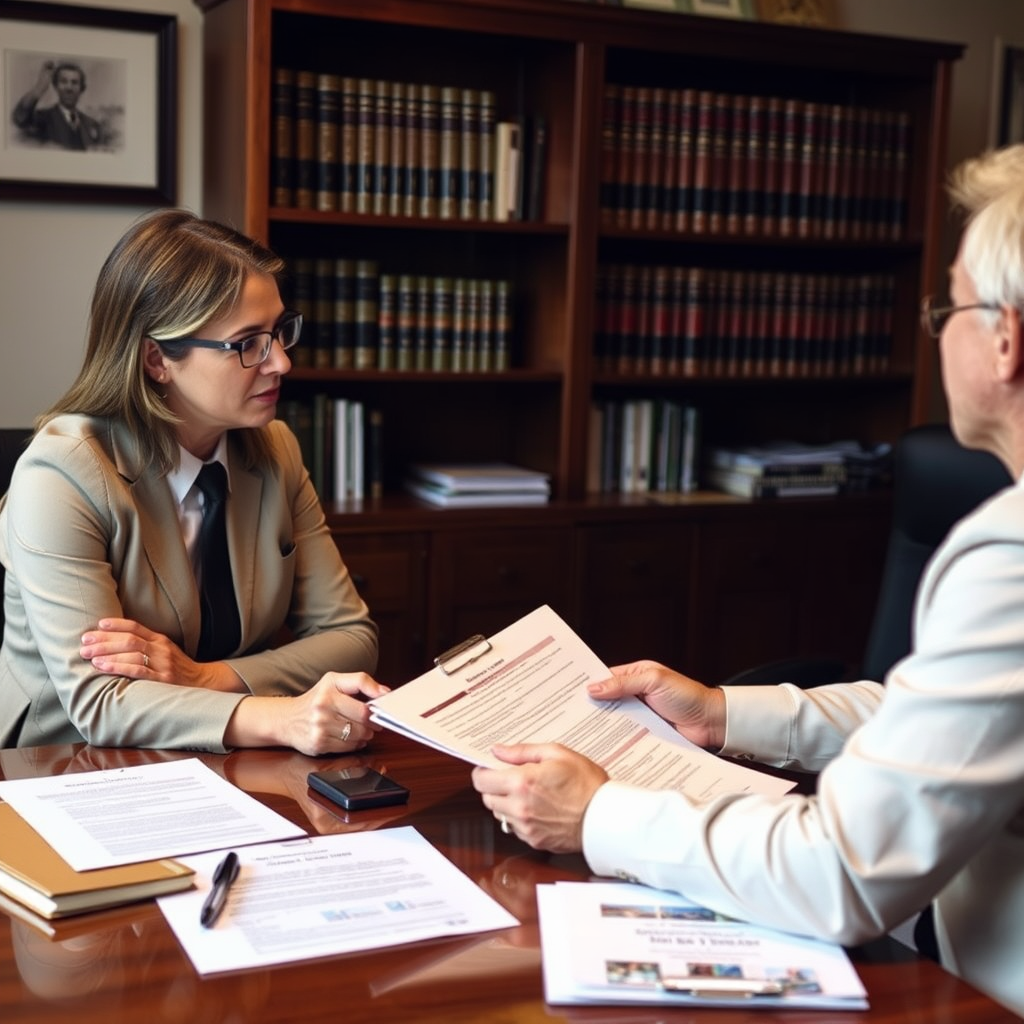
Contested Divorce in Virginia: Your Real-Talk Guide to Litigation and What to Expect
As of December 2025, the following information applies. In Virginia, a contested divorce occurs when spouses can’t agree on key issues like property division, child custody, or spousal support, leading to court intervention. It often means a longer, more involved legal process. The Law Offices Of SRIS, P.C. provides dedicated legal defense for these matters, helping clients through every step.
Confirmed by Law Offices Of SRIS, P.C.
Facing a contested divorce in Virginia can feel like being caught in a storm. The future seems uncertain, and the emotional toll is immense. You’re not just ending a marriage; you’re dealing with profound changes to your home, your finances, and potentially your relationship with your children. It’s tough, messy, and can be incredibly draining. But here’s the honest truth: you don’t have to go through it alone, and understanding the process can take a lot of the fear away. Our goal here is to give you a straightforward, no-fluff guide to what a contested divorce really means in Virginia, what you can expect, and how an experienced legal team fights for you.
What is Contested Divorce in Virginia?
Alright, let’s get real. A contested divorce in Virginia isn’t just a breakup; it’s when you and your spouse can’t see eye-to-eye on anything important to ending your marriage. We’re talking about big stuff like who gets the house, who pays for the kids, or if one person needs financial help from the other. Instead of working it out yourselves, a judge steps in to make those decisions. It’s a process where arguments are heard, evidence is presented, and ultimately, the court decides your future. It can feel like a battle, but understanding the basics is your first step to feeling more in control.
Typically, a divorce becomes contested when spouses disagree on one or more crucial aspects of their separation. These often include the division of marital property and debts, determining child custody and visitation schedules, and establishing spousal support or child support. In Virginia, we have both “no-fault” and “fault” grounds for divorce. While a no-fault divorce based on living separately for a certain period (six months with no minor children and a separation agreement, or one year otherwise) is common, even a no-fault divorce can become contested if you can’t agree on the financial and child-related terms. A fault-based divorce, such as for adultery or cruelty, automatically signals a contested process due to the nature of the allegations. Regardless of the grounds, the heart of a contested divorce lies in unresolved disputes that require judicial intervention. This is where your attorney steps in to powerfully represent your position, ensuring your voice is heard and your rights are protected.
Blunt Truth: Just because it’s contested doesn’t mean it’s hopeless. It just means the path to resolution involves a judge making decisions. Your job, and ours, is to give the judge all the information they need to make decisions that work for you.
Takeaway Summary: A contested divorce means a court decides unresolved issues when spouses can’t agree on property, children, or support. (Confirmed by Law Offices Of SRIS, P.C.)
How to Prepare for Divorce Litigation in Virginia?
Stepping into divorce litigation can feel overwhelming, but preparation is your strongest defense. Think of it like getting ready for a big presentation: the more you know and the better organized you are, the more confident you’ll feel and the more effectively your case can be presented. Here’s a clear roadmap for getting ready for divorce litigation in Virginia. Each step is about empowering you and helping your legal team build a robust case.
- Gather Your Financial Documents: This is non-negotiable. Start pulling together everything related to money. We’re talking bank statements, investment accounts, retirement statements, tax returns from the last several years, pay stubs, loan documents, and credit card statements. The more complete this picture, the better we can assess your marital estate and argue for an equitable distribution. Forgetting something here can seriously hinder your case.
- Understand Your Assets & Debts: Make a clear, detailed list of everything you own and everything you owe. This includes real estate, vehicles, personal property, business interests, and any shared or individual debts like mortgages, car loans, and student loans. Knowing what’s on the table is critical for advocating for your fair share and avoiding unexpected liabilities. We’ll help you distinguish between marital property (acquired during the marriage) and separate property (owned before the marriage or received as a gift/inheritance).
- Document Child-Related Matters Thoroughly: If children are part of your life, start documenting their routines, medical needs, school involvement, and any significant parenting agreements or interactions you’ve had. Keep a calendar or journal if it helps. The court’s primary concern is always the child’s best interests, and a well-documented history helps paint a clear picture of what that looks like for your family. This includes any concerns you have about your spouse’s parenting.
- Be Extremely Mindful of Social Media and Digital Footprint: Consider everything you post online, send in texts, or email. In a contested divorce, virtually anything digital can be requested and used as evidence. It’s wise to keep a low profile, avoid discussing your case online, and be careful about what new relationships or activities you broadcast. A simple post can be taken out of context and become a significant issue.
- Seek Knowledgeable and Seasoned Legal Counsel Early: This isn’t the time for a DIY approach. An experienced contested divorce attorney in Virginia understands the nuances of family law, the local courts, and how judges typically rule on various issues. They’ll guide you through complex legal procedures, advise you on your rights, and represent your interests fiercely. Getting counsel early gives you a significant advantage in strategizing and protecting your future.
- Prepare for Mediation (Even If You Expect to Litigate): Many Virginia courts will require or strongly encourage mediation before a full trial, even in contested cases. Be open to the idea, even if you feel far apart from your spouse. A neutral mediator can sometimes help bridge gaps you thought were impossible, potentially saving you time, money, and emotional stress. It’s another avenue to finding common ground, and sometimes, a partial agreement can simplify the litigation process.
- Understand the Realistic Timeline: Contested divorces are not quick fixes. They involve many steps, from initial filings and discovery to potential temporary hearings, mediation, and finally, a trial. Depending on court schedules, the number of issues, and the cooperation (or lack thereof) between parties, it can take many months, sometimes well over a year. Mentally prepare for a marathon, not a sprint, but know that your legal team is constantly working to move your case forward efficiently.
- Prioritize Your Mental and Emotional Well-being: This is perhaps the most overlooked but vital step. A contested divorce is incredibly stressful. Don’t neglect your mental and emotional health. Lean on trusted friends and family, seek professional therapy or counseling if needed, and ensure you’re maintaining healthy routines. Being strong mentally will help you make better decisions and cope with the pressures of litigation.
Preparing thoroughly means empowering yourself. It means giving your legal team the tools they need to build the strongest possible case for your future. Don’t wait; start organizing and documenting today.
Can I Lose Everything in a Contested Divorce in Virginia?
It’s a terrifying thought, right? The idea of walking away from your marriage with nothing. Let’s be blunt: while a contested divorce in Virginia can feel like a fight for your entire future, the law aims for an equitable distribution of marital assets and liabilities. ‘Equitable’ doesn’t always mean 50/50, but it means fair, given all the circumstances. Virginia is an equitable distribution state, meaning the court divides marital property based on a list of factors, not necessarily an equal split. These factors include how each spouse contributed to the acquisition, care, and preservation of marital property, the duration of the marriage, the ages and health of the spouses, their debts and liabilities, and even the circumstances that led to the divorce in some fault cases. So, no, you’re not typically going to lose everything unless there are very unusual circumstances or significant missteps on your part, like failing to disclose assets or repeatedly defying court orders. Your seasoned attorney’s job is to protect what’s yours and ensure your interests are powerfully represented. We’re here to fight for a fair outcome, not to let you get taken advantage of. Don’t let that fear paralyze you; instead, let it motivate you to secure strong legal representation.
We work diligently to identify all marital assets and debts, including those that might be hidden or undervalued, ensuring that a complete financial picture is presented to the court. This includes delving into real estate, investments, retirement accounts, and even business interests. Understanding the difference between marital and separate property is also key. Separate property, generally owned before the marriage or received as a gift/inheritance, is usually not subject to division. However, it can become commingled with marital assets, making the distinction blurry without experienced guidance. Our focus is always on securing a fair and just division that sets you up for financial stability post-divorce. We’ll carefully review every aspect of your financial life to build a compelling case for your financial future. The notion of losing everything is often an emotional exaggeration born of fear; the reality, with proper legal support, is usually far more balanced.
Understanding the Virginia Contested Divorce Process
The journey through a contested divorce in Virginia involves several distinct stages. Knowing these steps helps demystify the process and allows you to anticipate what’s coming next, helping you maintain a sense of control amidst the chaos. While every case has its unique twists, the general pathway remains consistent.
1. Initial Filing and Service of Process
The process begins when one spouse (the “Plaintiff”) files a Complaint for Divorce with the appropriate Circuit Court in Virginia. This document outlines the grounds for divorce, identifies the parties, and states the relief sought (e.g., property division, custody, support). Once filed, the Complaint and a Summons must be “served” on the other spouse (the “Defendant”). Service ensures the Defendant is officially notified of the legal action and has an opportunity to respond. This can be done by a sheriff, a private process server, or sometimes by certified mail, depending on the circumstances.
2. Responsive Pleadings and Temporary Orders
After being served, the Defendant typically has 21 days (if served in Virginia) to file their Answer and potentially a Counterclaim, presenting their side of the issues and requesting their own relief. During this initial stage, either party can also ask the court for “temporary orders.” These are short-term rulings that address urgent matters like temporary child custody, visitation, spousal support, or who lives in the marital home while the divorce is pending. These orders provide stability and establish rules of engagement until a final divorce decree is issued.
3. Discovery Phase
This is often the longest and most intensive part of a contested divorce. Discovery is the legal process where both parties gather information and evidence from each other. It involves various tools: Interrogatories (written questions), Requests for Production of Documents (demands for specific records), Depositions (sworn, out-of-court testimony), and Subpoenas (court orders for third-party information). The goal is to obtain a complete picture of all assets, debts, incomes, and facts relevant to contested issues, aiding in case preparation and settlement discussions.
4. Mediation or Settlement Negotiations
Even in highly contested cases, Virginia courts often encourage or require parties to attempt mediation. This involves a neutral third-party mediator who facilitates communication and helps the spouses explore potential compromises and reach agreements on outstanding issues. Many cases settle during or after mediation, avoiding the need for a trial. Even partial agreements can significantly streamline the remaining litigation.
5. Hearings and Trial
If mediation fails to resolve all disputes, the case proceeds to trial. A trial is a formal court proceeding where each party presents evidence, calls witnesses, and makes legal arguments before a judge. The judge will then make findings of fact and conclusions of law, ruling on all contested issues, including property division, child custody, spousal support, and child support. This stage requires meticulous preparation, skilled advocacy, and a deep understanding of courtroom procedures and evidence rules.
6. Final Decree of Divorce
Once the judge has ruled on all matters, a Final Decree of Divorce is drafted and entered. This legally ends the marriage and outlines all the court’s orders regarding property, custody, and support. This decree is a binding legal document, and failure to comply with its terms can lead to further legal action. There are strict rules for drafting and entering these orders, ensuring they accurately reflect the judge’s rulings. Limited opportunities for appeal exist if one party believes legal errors were made.
Understanding these steps can make the process less intimidating. Our seasoned team at Law Offices Of SRIS, P.C. manages this entire journey, explaining each stage, preparing you for what’s ahead, and defending your rights at every turn. You’ll never be left wondering what’s next.
The Emotional Toll: Taking Care of Yourself Through Litigation
Let’s be honest, going through a contested divorce is one of the most emotionally draining experiences a person can face. It’s not just a legal battle; it’s a personal upheaval that touches every part of your life. The stress, anxiety, anger, sadness, and even fear can be overwhelming. It’s easy to feel lost, isolated, or constantly on edge. But protecting your mental and emotional health during this period isn’t just a suggestion; it’s a necessity. Being emotionally resilient will help you make clearer decisions and endure the sometimes lengthy process.
Here are some real-talk strategies to help you cope:
- Build a Strong Support System: Lean on trusted friends, family members, or a support group. Talk about your feelings with people who understand and can offer encouragement.
- Seek Professional Help: Don’t hesitate to reach out to a therapist or counselor. They can provide unbiased support, coping mechanisms, and strategies for managing the immense stress and grief associated with divorce.
- Prioritize Self-Care: Even small acts of self-care can make a big difference. This includes eating healthy, getting enough sleep, exercising regularly, and engaging in hobbies or activities you enjoy.
- Limit Contact When Possible: While you need to communicate with your spouse about children or finances, try to keep these interactions focused and business-like. Let your attorney be the primary point of communication for legal matters.
- Set Boundaries: Establish clear boundaries with your spouse, family, and friends regarding discussions about your divorce. You have the right to protect your emotional space.
- Focus on What You Can Control: You can’t control your spouse’s actions or the court’s timeline, but you can control your own responses, your preparation, and how you care for yourself.
Remember, this challenging period is temporary. By taking active steps to manage your emotional well-being, you’ll not only navigate the divorce process more effectively but also emerge from it stronger and ready to build a new chapter in your life. We understand the human element of these cases, and while we focus on the legal battle, we’re also here to remind you to take care of yourself.
Why Hire Law Offices Of SRIS, P.C. for Your Contested Divorce in Virginia?
When you’re facing a contested divorce in Virginia, you’re not just looking for a lawyer; you’re looking for someone who gets it, someone who’s been in the trenches and knows how to fight for you. Mr. Sris founded this firm with a clear vision, and his insights guide our approach. As he puts it: ‘My focus since founding the firm in 1997 has always been directed towards personally handling the most challenging and complex criminal and family law matters our clients face.’ That’s the level of dedication and hands-on experience we bring to every case. We don’t shy away from tough situations; we lean into them, using our deep knowledge of Virginia family law to advocate fiercely on your behalf. We understand the emotional toll a contested divorce takes, and we provide empathetic, direct counsel, helping you move from fear to clarity to hope. You deserve a team that understands the nuances of divorce litigation and is committed to achieving the best possible outcome for your future.
Our team at Law Offices Of SRIS, P.C. is seasoned in managing divorce litigation, from the initial filings and extensive discovery phases to rigorous trial advocacy. We know the intricacies of Virginia’s equitable distribution laws, child custody guidelines, and spousal support calculations. We work tirelessly to uncover all relevant financial information, prepare compelling arguments, and represent your interests with unwavering commitment. We aren’t just about legal procedures; we’re about understanding your story, your concerns, and your hopes for the future. We offer a confidential case review to discuss your situation and outline a strategic path forward. Our aim is to simplify the complex, explain your options clearly, and empower you to make informed decisions throughout the process. When your future is on the line, you need a firm that brings both a sharp legal mind and a genuine understanding of what you’re going through.
Law Offices Of SRIS, P.C. has a location in Fairfax at 4008 Williamsburg Court, Fairfax, VA, 22032, US.
You can reach us at +1-703-636-5417.
Call now for a confidential case review.
Frequently Asked Questions About Contested Divorce in Virginia
- What’s the difference between a contested and uncontested divorce in Virginia?
- An uncontested divorce means you and your spouse agree on all terms before involving the court. A contested divorce arises when disagreements on issues like property, custody, or support require a judge to make the final decisions.
- How long does a contested divorce typically take in Virginia?
- Contested divorces in Virginia are rarely quick. They can range from several months to over a year, depending on the complexity of the issues, court dockets, and the willingness of both parties to reach agreements.
- Do I need a lawyer for a contested divorce in Virginia?
- While not legally required, having experienced counsel is highly recommended. A knowledgeable attorney can protect your rights, present your case effectively, and navigate the intricate legal procedures, which are difficult to manage alone.
- What issues are decided in a contested divorce?
- Key issues include equitable distribution of marital property and debts, spousal support (alimony), child custody and visitation arrangements, and child support. The court will make determinations on all unresolved matters.
- Will I have to go to court for a contested divorce?
- Yes, if you can’t reach a full agreement through negotiation or mediation, your case will likely proceed to court for hearings and potentially a trial where a judge will issue final orders on disputed issues.
- What is equitable distribution in Virginia?
- Equitable distribution means the court divides marital assets and debts fairly, but not necessarily equally. The judge considers various factors like contributions to the marriage, duration of the marriage, and financial circumstances of each spouse.
- Can mediation help in a contested divorce?
- Absolutely. Even in contested cases, mediation can be a powerful tool. A neutral mediator helps spouses communicate and explore potential compromises on specific issues, often leading to partial or full settlements without a trial.
- What factors influence child custody decisions?
- Virginia courts prioritize the child’s best interests. Factors include the child’s needs, parents’ fitness, relationship with each parent, and the child’s preference (if mature enough). The goal is to ensure stability and well-being.
- Is spousal support (alimony) always granted?
- No, spousal support is not automatic. The court considers factors such as the parties’ financial resources, earning capacities, ages, health, duration of the marriage, and contributions to the family’s well-being when determining if and how much to award.
- What happens if my spouse hides assets?
- If your spouse attempts to hide assets, your attorney can use discovery tools, like subpoenas and interrogatories, to uncover them. Courts take such actions seriously and may penalize the spouse for concealing financial information.
The Law Offices Of SRIS, P.C. has locations in Virginia in Fairfax, Loudoun, Arlington, Shenandoah and Richmond. In Maryland, our location is in Rockville. In New York, we have a location in Buffalo. In New Jersey, we have a location in Tinton Falls.
Past results do not predict future outcomes.