
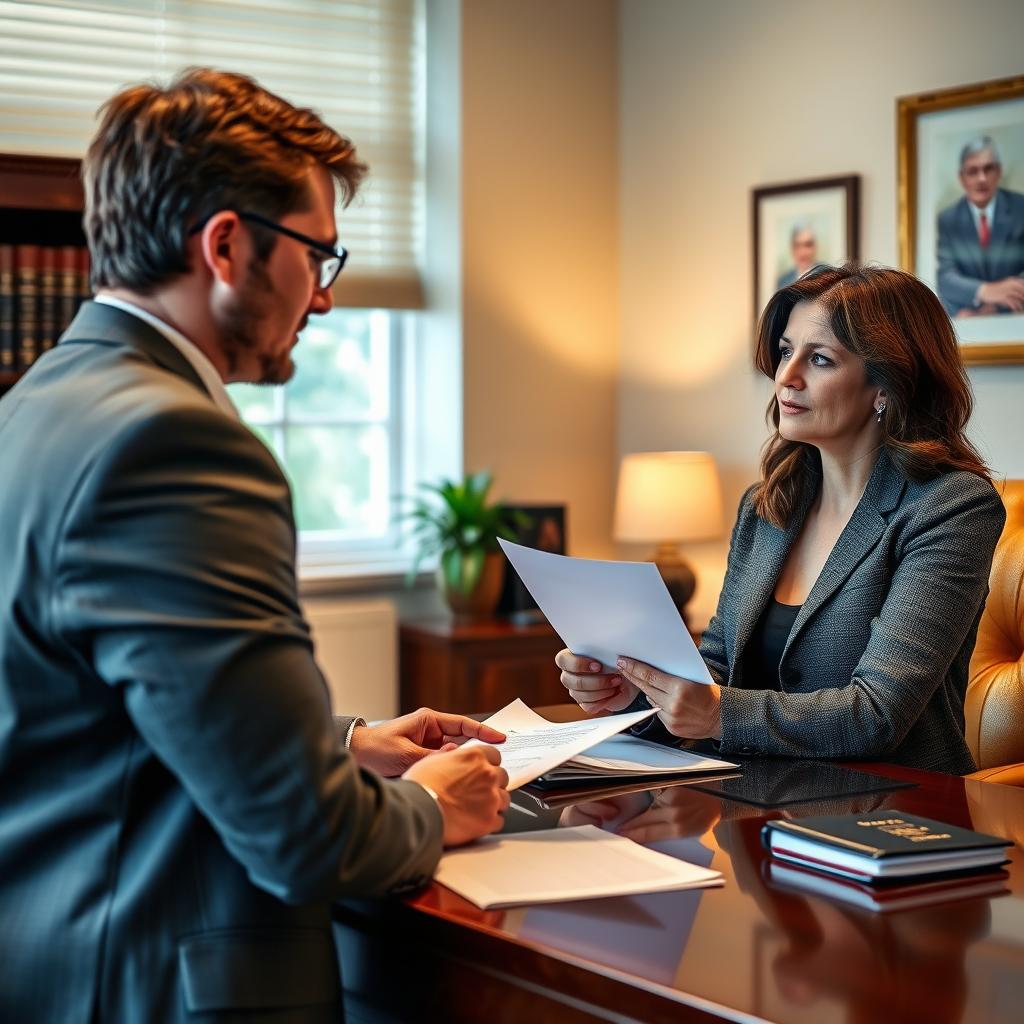
Visitation Lawyer Fluvanna County, VA
When parents live apart, the time each spends with their child must be clearly defined and protected. Visitation orders in Fluvanna County govern those arrangements—whether established as part of a divorce, custody proceeding, or standalone petition in the Juvenile and Domestic Relations District Court. The court at 72 Main Street in Palmyra applies Virginia’s best‑interests standard, weighing the child’s relationship with each parent, the parents’ willingness to support that relationship, and any history that may affect the child’s safety. Mr. Sris and his Of Counsel at Law Offices Of SRIS, P.C. bring over 120 years of combined legal experience and 4,739+ documented firm-wide results to visitation matters in communities like Palmyra, Fork Union, and Lake Monticello. Results may vary. To request a consultation, call (888) 437‑7747. Law Offices Of SRIS, P.C. – Advocacy Without Borders.
What Visitation Means in Fluvanna County
Virginia law does not use the term “visitation” in isolation—it is part of the broader custody framework under Va. Code § 20‑124.2, which directs the court to award custody and visitation with the best interests of the child as the guiding principle. In Fluvanna County, the Juvenile and Domestic Relations District Court handles standalone visitation and custody petitions, while the Circuit Court addresses visitation when it is part of a divorce or equitable distribution case. Both courts sit at 72 Main Street, Suite B, Palmyra, within the Sixteenth Judicial District.
Fluvanna County’s family court docket draws parties from across the county, including residents of Palmyra, Fork Union, and the Lake Monticello community. The court considers ten statutory factors—ranging from the child’s age and health to each parent’s willingness to encourage a relationship with the other parent—when setting an initial visitation schedule. Once ordered, that schedule becomes enforceable by the court, and any deviation without consent can lead to contempt proceedings. Whether you are seeking an initial visitation order, requesting a modification because circumstances have changed, or needing to enforce an existing order, the same courtroom standards apply. The process is fact‑intensive, and the court expects parenting plans to be specific and workable for the child’s daily life in this rural Virginia community.
How Mr. Sris and His Of Counsel Handle Visitation Cases
Visitation matters in Fluvanna County begin with a thorough discussion of your family’s situation and the child’s needs. Mr. Sris and his Of Counsel gather the facts, review any existing orders, and explain what the court is likely to consider under Virginia’s best‑interests factors. If an agreement can be reached between the parties, we work to memorialize it in a written parenting plan that the court can adopt. When agreement is not possible, we prepare for a hearing before the Juvenile and Domestic Relations District Court or the Circuit Court, depending on where the matter is pending.
During litigation, we present evidence that addresses the statutory factors—testimony about the child’s routine, each parent’s involvement, and any concerns regarding the child’s well‑being. We may also address related issues such as supervised visitation when a parent’s conduct raises safety questions, or grandparent visitation when a grandparent seeks court‑ordered time with the child. Throughout the process, we keep you informed of procedural steps, including the filing of a petition, service on the other party, and the scheduling of a hearing. Our goal is to position you for a visitation order that serves your child’s interests while protecting your parental role. For a consultation, reach Mr. Sris and his Of Counsel at (888) 437‑7747.
About Mr. Sris and His Of Counsel Team
Mr. Sris, Owner and Founder of Law Offices Of SRIS, P.C., has practiced family law since 1997. He is admitted in Virginia, Maryland, the District of Columbia, New Jersey, and New York, and he brings a former prosecutor’s perspective to family court advocacy. His experience includes representing clients in visitation disputes where the factual record can be as important as the legal argument. Together with his Of Counsel—a team of experienced attorneys who handle a substantial volume of family law matters—the firm offers clients in Fluvanna County more than 120 years of combined legal experience and 4,739+ documented firm-wide results. Results may vary.
Frequently Asked Questions
What are visitation rights under Virginia law?
Virginia law awards visitation as part of custody orders, guided by the child’s best interests under Va. Code § 20‑124.3. The statute lists ten factors the court must consider—among them the child’s age, the relationship with each parent, each parent’s willingness to support the other’s relationship with the child, and any history of abuse. The court may order a fixed schedule, reasonable visitation to be arranged by the parties, or supervised visitation when safety concerns exist. Visitation rights are not absolute; the court retains authority to modify the order if circumstances change and the modification serves the child’s welfare.
How does a Fluvanna County court decide visitation?
The Fluvanna County Juvenile and Domestic Relations District Court or Circuit Court applies the ten statutory best‑interests factors in Va. Code § 20‑124.3. Judges weigh evidence presented by each parent, including testimony, documentation of the child’s routine, and sometimes a guardian ad litem’s report. The court may also consider the child’s preference if the child is of sufficient age and maturity. In Fluvanna County, the court expects parents to propose practical schedules that account for school, extracurriculars, and travel between communities like Palmyra, Fork Union, and Lake Monticello. A well‑prepared case presents a clear picture of the child’s daily life.
Can a visitation order be modified in Virginia?
Yes, a parent may petition the court to modify visitation if there has been a material change in circumstances and the modification is in the child’s best interests. Common reasons include a parent’s relocation, a change in the child’s needs, or ongoing interference with the existing schedule. The court will not modify an order simply because one parent is dissatisfied; it requires proof that the change benefits the child. The petition is filed in the same court that issued the original order—in Fluvanna County, usually the J&DR District Court. An experienced attorney can help frame the request and gather the necessary evidence.
What happens if a parent violates a visitation order?
A parent who willfully violates a court‑ordered visitation schedule may be held in contempt of court. The aggrieved parent can file a motion for rule to show cause in the Fluvanna County court that issued the order. If the court finds the violation was willful and without justification, it may impose remedies such as make‑up visitation time, modification of the order, attorney fees, or in rare cases fines and incarceration. The court’s focus remains the child’s welfare, so it will craft a remedy that promotes compliance. Documenting each missed visit and any communication about the violation helps build a strong enforcement case.
When might supervised visitation be ordered?
The court may order supervised visitation when it finds that unsupervised time with a parent would endanger the child’s physical or emotional health. Grounds can include substance abuse, a history of domestic violence, neglect, or mental health concerns that affect parenting capacity. The supervisor may be a professional agency, a family member approved by the court, or another neutral third party. Supervised visitation is generally intended as a temporary measure; the court may set conditions that, once met, allow a return to unsupervised parenting time. A parent facing a supervised‑visitation request should present evidence addressing the court’s concerns.
Do grandparents have visitation rights in Virginia?
Virginia law allows grandparents to petition for visitation, but the right is limited and subject to the child’s best interests. Under Va. Code § 20‑124.2, a grandparent may seek visitation if the child’s parents are divorced, one parent is deceased, or the child has lived with the grandparent for a substantial period. The grandparent must overcome the presumption that a fit parent’s decision to deny visitation is in the child’s best interests. Courts in Fluvanna County will examine the relationship between the grandparent and child, the effect on the parent‑child bond, and any evidence that visitation would serve the child’s welfare.
Do I need a lawyer for a visitation case in Fluvanna County?
You are not required to have an attorney, but the court process involves procedural rules, evidence presentation, and legal arguments that are difficult for a layperson to navigate alone. The court expects compliance with filing deadlines, service requirements, and rules of evidence. An attorney can help draft a petition, develop a parenting plan, prepare witnesses, and argue the statutory factors in your favor. If the other parent has counsel, appearing without your own attorney puts you at a significant disadvantage. Mr. Sris and his Of Counsel routinely appear in Fluvanna County courts and understand local practice. To discuss the details of your matter, contact Law Offices Of SRIS, P.C. at (888) 437‑7747.
What should I bring to my first consultation about visitation?
Bring any existing custody or visitation orders, a written summary of the current schedule and any problems, documentation of communications with the other parent, and a list of questions you want answered. If there are safety concerns—such as police reports, protective orders, or medical records—bring those as well. The more complete the picture you provide, the better your attorney can assess your case. The consultation is confidential and is an opportunity to learn how Virginia law applies to your family’s circumstances and what a realistic outcome might look like in Fluvanna County. Call (888) 437‑7747 to schedule yours.
Areas We Serve Nearby
In addition to Fluvanna County, Mr. Sris and his Of Counsel assist clients across Virginia in family law matters, including visitation. Fairfax County family law lawyer · Prince William County family law lawyer · Manassas family law lawyer
Virginia Law Resources
Virginia Code Title 20 (Domestic Relations) · Virginia Judicial System
Attorney advertising. Prior results do not guarantee a similar outcome. Results may vary. Case results depend on a variety of factors unique to each case. Mr. Sris and his Of Counsel are available by appointment. Our Shenandoah Location at 505 N Main St, Suite 103, Woodstock, VA 22664, and our Richmond Location serve clients in Fluvanna County. Call (888) 437‑7747.
Attorney advertising. Prior results do not guarantee a similar outcome.