
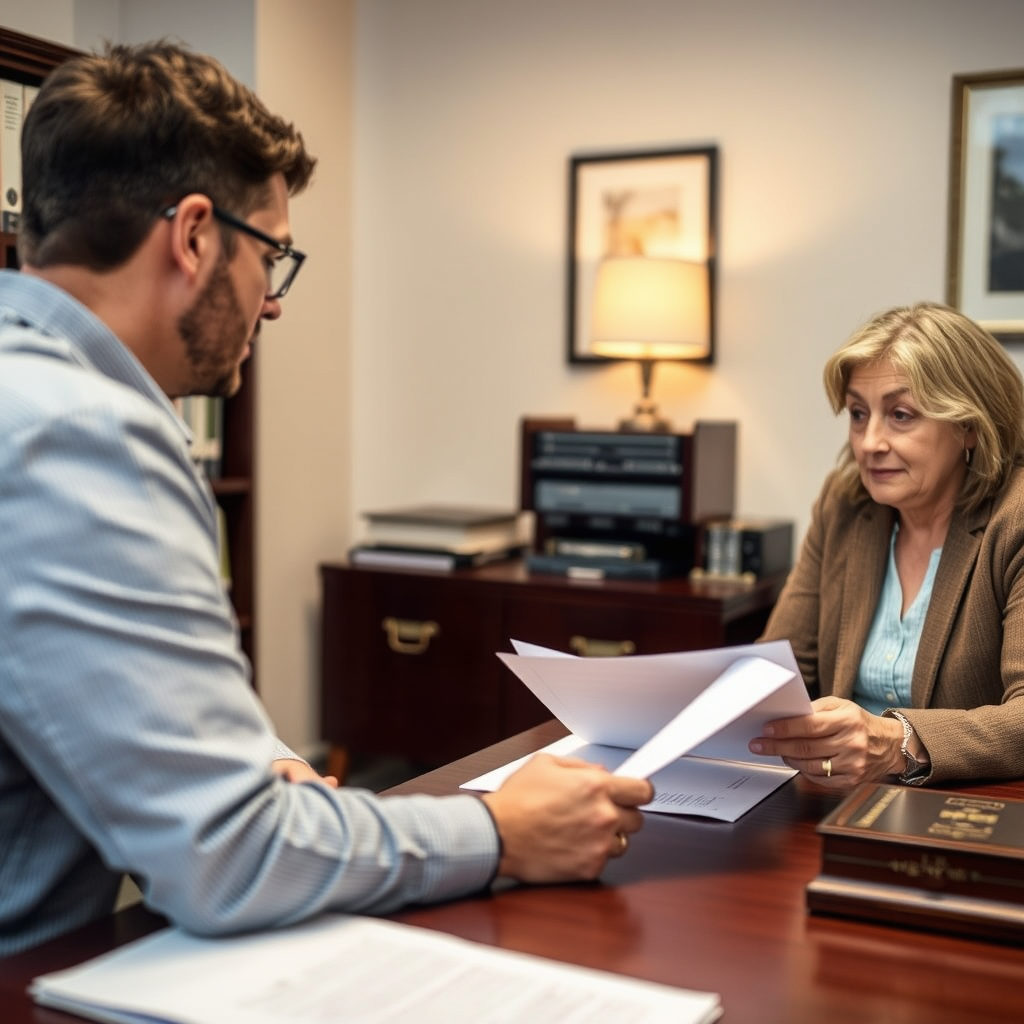
Virginia Family Law: Your Straightforward Guide to Domestic Relations in VA
As of December 2025, the following information applies. In Virginia, family law involves a range of legal matters impacting family relationships, including divorce, child custody, child support, and spousal support. Understanding these legal frameworks is essential for protecting your rights and securing your family’s future. The Law Offices Of SRIS, P.C. provides dedicated legal defense for these matters.
Confirmed by Law Offices Of SRIS, P.C.
What is Family Law in Virginia?
Virginia family law, often referred to as Virginia domestic relations law, deals with the legal rights and responsibilities of individuals in family relationships. This isn’t just about divorce; it’s a broad area that covers a spectrum of personal and emotionally charged issues. When people talk about family law, they’re typically talking about the legal mechanisms that govern marriage, separation, divorce, child custody arrangements, child support obligations, spousal support (sometimes called alimony), and property division. It also includes protective orders in cases of domestic violence, adoption proceedings, and even prenuptial or postnuptial agreements. Essentially, if it affects your family’s legal structure or well-being, it falls under this umbrella. It’s a field designed to bring structure and fairness to what can often be the most tumultuous times in a person’s life, aiming to resolve conflicts and establish clear guidelines for future interactions, especially when children are involved.
Family law matters in Virginia are primarily heard in the Circuit Courts and Juvenile and Domestic Relations District Courts. The specific court depends on the nature of the petition. For instance, divorce, property division, and spousal support cases are handled in Circuit Courts. Child custody, visitation, child support, and protective orders often begin in the Juvenile and Domestic Relations District Courts, though some aspects can be transferred or appealed to the Circuit Court. The distinctions between these courts can be a point of confusion for many. Knowing which court handles your specific concern is an early, but important, step. This foundational understanding helps individuals know where to file their petitions and what rules of procedure will apply. It sets the stage for the entire legal process, from initial filings to final orders. The law aims to provide a clear, if sometimes rigid, path through these personal challenges.
The core principles of Virginia family law focus on several key aspects: promoting the best interests of the child in custody and visitation matters, ensuring equitable distribution of marital assets, and establishing fair support arrangements based on financial circumstances. These principles aren’t just abstract ideas; they guide judges in making decisions that have lasting impacts on families. For example, when deciding custody, a judge isn’t looking to punish one parent or reward another; they are genuinely trying to figure out what living arrangement will provide the most stability and support for the child’s physical and emotional development. Similarly, property division isn’t necessarily about a 50/50 split; it’s about what is fair and just given each party’s contributions and circumstances during the marriage. These guiding principles mean that while every case is unique, there’s a consistent philosophical approach embedded in Virginia’s legal system for family matters.
**Takeaway Summary:** Virginia family law governs the legal aspects of family relationships, including divorce, custody, and support, with courts aiming for fair resolutions and the best interests of children. (Confirmed by Law Offices Of SRIS, P.C.)
How to Navigate a Divorce in Virginia?
Going through a divorce in Virginia can feel like trying to solve a puzzle with a lot of moving pieces, especially when emotions are running high. It’s more than just signing papers; it involves a series of legal steps and decisions that will shape your future and, if you have them, your children’s future. Understanding this process upfront can help you feel more in control and less overwhelmed.
- Understand Residency and Grounds for Divorce: First things first, you or your spouse must have been a resident of Virginia for at least six months immediately before filing for divorce. Virginia recognizes both fault-based and no-fault divorces. For a no-fault divorce, you must live separate and apart for a certain period – typically six months if you have no minor children and a written separation agreement, or one year if you have minor children or no agreement. Fault grounds include adultery, felony conviction, cruelty, or desertion. Choosing the right ground is a foundational decision that impacts timing and strategy.
- File a Complaint for Divorce: One spouse, the ‘complainant,’ initiates the divorce process by filing a Complaint for Divorce with the Circuit Court. This document officially informs the court and your spouse, the ‘defendant,’ of your intent to divorce and outlines the requested relief, such as property division, spousal support, or child custody. It’s a formal declaration and the starting point of the legal action.
- Serve Your Spouse with the Complaint: After filing, your spouse must be formally “served” with the divorce papers. This ensures they are legally notified of the proceedings. Service must be done correctly, usually by a sheriff or a private process server. There are strict rules about how this can be done, and if not followed, it can delay your case significantly.
- Response to the Complaint: Your spouse then has a set amount of time (usually 21 days) to file an Answer or other responsive pleading with the court. They might agree with your requests, dispute them, or even file a counter-complaint with their own requests. This stage helps define the areas of agreement and disagreement that the court will need to address.
- Discovery Process: This is where both parties exchange information. It can involve interrogatories (written questions), requests for documents (like financial statements, tax returns, and bank records), and depositions (out-of-court sworn testimonies). The goal is to get a complete picture of the marital assets, debts, incomes, and other relevant factors so informed decisions can be made. Blunt Truth: This part can feel invasive, but it’s essential for a fair outcome.
- Negotiation and Mediation: Many couples try to resolve their issues outside of court through negotiation directly between attorneys or via mediation. In mediation, a neutral third party helps both spouses communicate and reach mutually agreeable solutions on matters like custody, support, and property division. If successful, this can lead to a comprehensive Marital Settlement Agreement.
- Trial (If No Agreement is Reached): If negotiation and mediation don’t lead to a full settlement, your case will proceed to trial. A judge will hear evidence, testimony from witnesses, and arguments from both attorneys regarding unresolved issues. The judge will then make decisions on all outstanding matters, which become legally binding orders. This can be a lengthy and emotionally draining process.
- Final Order of Divorce: Once all issues are resolved, either through agreement or court decision, a Final Order of Divorce is entered by the judge. This legally ends the marriage and incorporates all the agreements or decisions regarding property, support, and children. Until this order is signed, you are still legally married.
- Post-Divorce Matters: Sometimes, even after a divorce is final, issues can arise that require further court intervention, such as modification of child support or custody orders due to a significant change in circumstances. These are separate legal actions that may be initiated years after the original divorce is finalized.
Each step in the Virginia divorce process requires careful attention to detail and adherence to legal procedures. It’s often more complex than people initially anticipate, which is why having experienced legal counsel can make a substantial difference in protecting your interests and guiding you through each stage effectively.
Can I Lose Custody of My Child in Virginia?
It’s a fear that weighs heavily on any parent facing family law issues: the possibility of losing custody of their child. In Virginia, the thought of this can be incredibly distressing, sparking intense worry about their child’s future and their own role in it. The law doesn’t make custody decisions lightly, and it always prioritizes what’s known as the “best interests of the child.” This is the guiding principle for judges in all custody and visitation matters, meaning the court’s focus is squarely on the child’s well-being, not necessarily what the parents want.
A judge considers many factors when determining the best interests of the child. These factors are outlined in Virginia Code § 20-124.3 and include, but aren’t limited to: the age and physical and mental condition of the child, considering their needs; the age and physical and mental condition of each parent; the relationship existing between each parent and each child; the needs of the child; the role that each parent has played and will play in the future in the upbringing and care of the child; the propensity of each parent to support the child’s relationship with the other parent; and any history of family abuse or neglect. It’s a comprehensive list designed to provide a full picture of the family dynamic. No single factor is usually determinative; instead, the court looks at the totality of the circumstances. Understanding these factors is key to knowing how a court might view your situation and what evidence will be important to present.
So, can you lose custody? Yes, it is possible, but it’s generally not an automatic outcome unless there are significant concerns. Courts prefer to see both parents involved in a child’s life if it’s safe and beneficial for the child. Complete loss of custody, meaning one parent has no visitation rights at all, is rare and typically reserved for extreme circumstances, such as documented abuse, severe neglect, or ongoing substance abuse issues that directly endanger the child. More commonly, if one parent is deemed unfit or unable to provide a stable environment, the other parent might receive sole physical and legal custody, with the unfit parent having supervised or limited visitation. The court’s goal is to protect children from harm and ensure they have a stable, nurturing environment, which often means finding the right balance of parental involvement, even if that balance looks different from what it was before.
The court will look at all available evidence to make its decision. This can include testimony from parents, children (though children’s testimony is handled very carefully and often involves an ‘in camera’ interview with the judge), teachers, doctors, and other professionals. Evidence of a parent’s living situation, employment stability, criminal history, and ability to meet the child’s needs will also be considered. If you’re concerned about a custody dispute, preparing thoroughly and presenting a clear case demonstrating your ability to provide a safe and loving environment, and your willingness to foster a positive relationship between your child and the other parent (when appropriate), is paramount. The stakes are incredibly high in these cases, making knowledgeable legal representation not just helpful, but truly reassuring.
Why Hire Law Offices Of SRIS, P.C. for Your Virginia Family Law Needs?
Facing a family law matter in Virginia isn’t just about legal paperwork; it’s about your life, your family, and your future. These aren’t cases where you want to feel like just another file on a desk. You need someone who understands the deeply personal nature of what you’re going through and has the practical know-how to guide you effectively. That’s precisely what you’ll find at Law Offices Of SRIS, P.C. We bring a blend of empathetic understanding and seasoned legal acumen to every case, recognizing the profound impact these legal outcomes have on individuals and families.
Mr. Sris, the founder and principal attorney, has dedicated his career to representing clients in complex and challenging family law matters since 1997. His approach is rooted in personal commitment and a thorough understanding of the law. As Mr. Sris puts it: “My focus since founding the firm in 1997 has always been directed towards personally handling the most challenging and complex criminal and family law matters our clients face.” This isn’t just a statement; it’s a philosophy that permeates how our firm approaches every client’s situation. We believe in direct, clear communication and a strategy tailored to your specific circumstances, ensuring you understand your options and feel supported throughout the process.
Choosing the right VA family court attorney means choosing a team that’s not only knowledgeable about Virginia domestic relations law but also dedicated to achieving the best possible outcome for you. At Law Offices Of SRIS, P.C., we’re not just offering legal representation; we’re offering a partnership. We work diligently to protect your rights, advocate for your interests, and provide the clarity you need during uncertain times. Whether it’s a contested divorce, a contentious child custody battle, or a complex spousal support dispute, we are prepared to stand by you, offering a robust defense and strategic counsel.
Our commitment extends beyond the courtroom. We understand that legal battles can be financially and emotionally draining. We strive to find efficient and effective solutions, often exploring negotiation and mediation when appropriate to minimize the emotional and financial toll on our clients. However, when litigation is necessary, we are tenacious advocates, prepared to represent you fiercely in court. Our goal is to empower you with information and provide strong, reliable legal support so you can move forward with confidence, knowing your family’s future is in experienced hands.
We invite you to reach out for a confidential case review. This is an opportunity for you to discuss your situation, understand your legal standing, and learn how we can help. Our team is ready to listen, offer clear advice, and begin building a strong strategy for your family law needs. Don’t face these critical moments alone. Let us provide the dedicated advocacy you deserve.
Law Offices Of SRIS, P.C. has a location conveniently located to serve your Virginia family law needs:
Fairfax Office:
4008 Williamsburg Court
Fairfax, VA 22032, US
Phone: +1-703-636-5417
Call now for a confidential case review.
Frequently Asked Questions About Virginia Family Law
Q: What’s the difference between physical and legal custody in Virginia?
A: Physical custody dictates where a child lives, while legal custody refers to a parent’s right to make decisions about the child’s upbringing, such as education, healthcare, and religious training. Both can be sole or joint.
Q: How is child support calculated in Virginia?
A: Child support in Virginia is calculated using state guidelines based on factors like both parents’ incomes, healthcare costs, and childcare expenses. Deviations from these guidelines are possible in specific circumstances.
Q: Is Virginia a 50/50 property division state in divorce?
A: No, Virginia is an equitable distribution state. This means marital property is divided fairly, which doesn’t always translate to an equal 50/50 split, but rather what a judge deems just based on many factors.
Q: Can I get an annulment instead of a divorce in Virginia?
A: Annulments declare a marriage legally void from the start, as if it never happened, due to specific reasons like fraud or bigamy. Divorce legally ends a valid marriage. Annulments are harder to obtain.
Q: What is a Marital Settlement Agreement (MSA) in Virginia?
A: An MSA is a legally binding contract between divorcing spouses outlining agreements on property division, spousal support, child custody, and child support. It helps avoid court disputes and streamlines divorce.
Q: How long does a divorce take in Virginia?
A: The duration varies. An uncontested, no-fault divorce with a separation agreement and no minor children can be finalized in about six months. Contested or fault-based divorces can take a year or longer.
Q: Does infidelity impact divorce or property division in Virginia?
A: Adultery is a fault ground for divorce and can bar spousal support. It generally doesn’t impact property division unless marital assets were depleted to support the extramarital relationship.
Q: Can I modify a child custody or support order in Virginia?
A: Yes, but you must demonstrate a material change in circumstances that warrants the modification. Courts will always prioritize the child’s best interests when considering such changes.
The Law Offices Of SRIS, P.C. has locations in Virginia in Fairfax, Loudoun, Arlington, Shenandoah and Richmond. In Maryland, our location is in Rockville. In New York, we have a location in Buffalo. In New Jersey, we have a location in Tinton Falls.
Past results do not predict future outcomes.