
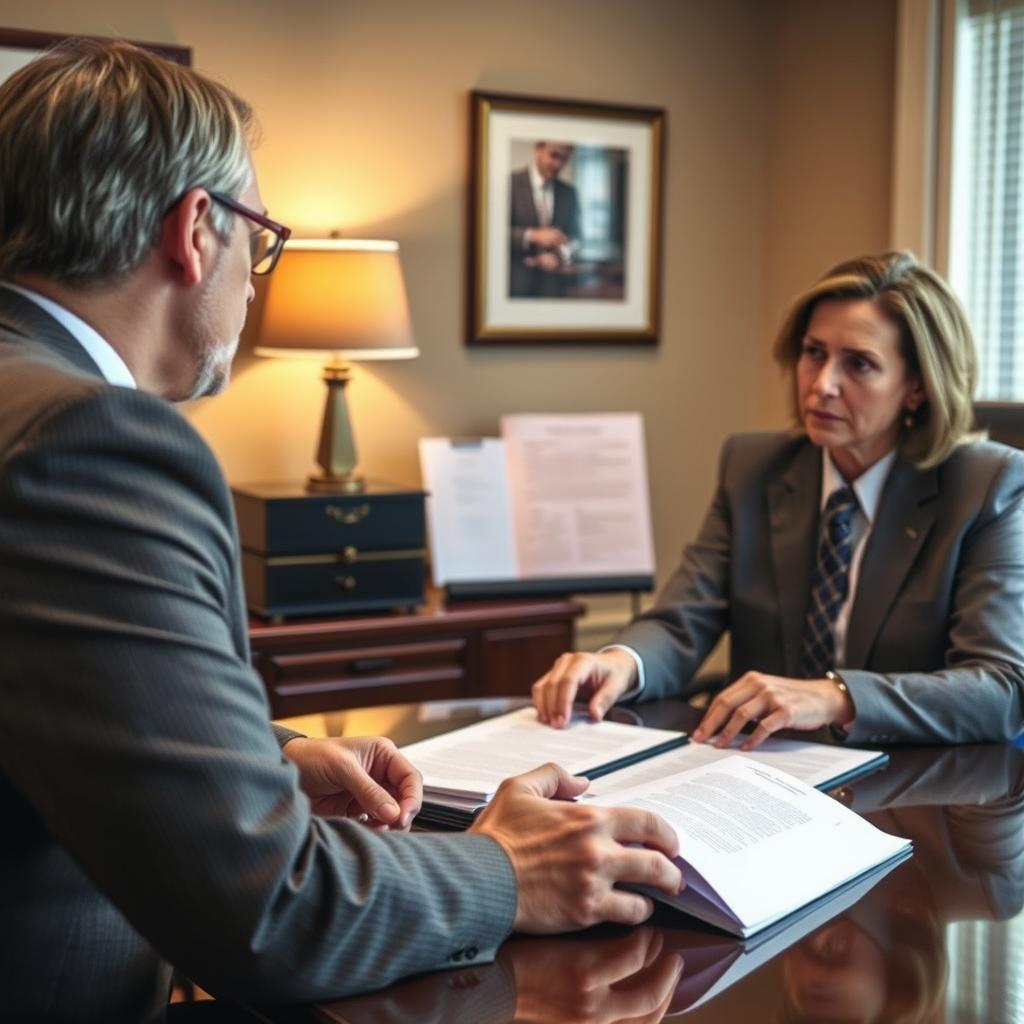
Separation Lawyer Augusta County, VA
Separation plays a central role in Virginia divorce law. Under Va. Code § 20‑91(9), a no‑fault divorce requires a period of continuous living apart before a court may enter a final decree. In Augusta County, the Augusta County Circuit Court handles divorce and equitable distribution matters, while the Augusta County Juvenile and Domestic Relations District Court addresses standalone custody, visitation, child support and protective‑order issues. A separation lawyer helps spouses formalize their living‑apart status, negotiate a separation agreement, and ensure that the separation period will satisfy the statutory requirements for a divorce on no‑fault grounds. Mr. Sris and his Of Counsel at Law Offices Of SRIS, P.C. represent clients throughout Augusta County, including Staunton, Waynesboro, Fishersville, Stuarts Draft, Verona and Churchville. To discuss your situation with an experienced family law attorney, call (888) 437‑7747. Law Offices Of SRIS, P.C. – Advocacy Without Borders.
What a Separation Lawyer Does in Augusta County, Virginia
In Virginia, a legal separation is not a separate court status; rather, it describes the physical separation of spouses as a prerequisite for a no‑fault divorce. An attorney advising on separation focuses on two primary tasks: first, documenting the commencement and continuity of the separation so that the statutory period—one year, or six months if there are no minor children and a signed separation agreement exists—can be clearly shown; second, negotiating a comprehensive property settlement agreement, often called a separation agreement, that resolves custody, visitation, child and spousal support, and the division of marital property and debts. In Augusta County, many spouses choose to work toward a written separation agreement before filing a Complaint for divorce in the Circuit Court. This approach can reduce conflict, save time, and keep sensitive family matters out of the public record. Mr. Sris and his Of Counsel guide clients through each step, from the initial separation through the final decree.
Augusta County’s courts sit in the Twenty‑Fifth Judicial District, in the central Shenandoah Valley. The area’s rural character and close‑knit communities often mean that family law disputes involve local businesses, farming assets, and multi‑generational property interests. An attorney familiar with how the Circuit Court judges and local counsel approach equitable distribution can help a spouse protect assets and plan for financial stability after the marriage ends. Whether a case involves a agreed‑upon separation or a contested dispute over the division of a family farm, having a separation lawyer who understands Augusta County’s court practices is important. The firm’s Shenandoah/Woodstock location serves clients from Staunton to Waynesboro and throughout the county; consultations are available by calling (888) 437‑7747.
Frequently Asked Questions
What is a separation agreement in Virginia?
A separation agreement is a written contract between spouses that resolves all issues arising from the end of the marriage, including property division, spousal support, custody and child support. In Virginia, under Va. Code § 20‑109 and § 20‑109.1, such an agreement may be incorporated into a final divorce decree. It allows a no‑fault divorce on the six‑month separation ground when there are no minor children. A well‑drafted separation agreement can avoid litigation and provide clarity during the separation period. An experienced Augusta County family law attorney can negotiate and draft an agreement that meets the statutory requirements.
How long must you be separated before filing for divorce in Virginia?
For a no‑fault divorce in Virginia, the statutory separation period is one year, unless there are no minor children of the marriage and the parties have a written separation agreement, in which case the period is six months. These timelines are set out in Va. Code § 20‑91(9). The separation must be continuous and with the intent to dissolve the marriage. In Augusta County, the Circuit Court will require testimony that the separation began on a certain date and continued without interruption. A separation lawyer helps a client establish and document that date.
Do I need a lawyer for a separation in Augusta County?
You are not legally required to have a lawyer to separate, but having an attorney can protect your rights, ensure the separation agreement is valid, and avoid costly mistakes. Virginia law does not mandate legal representation for separation, but the consequences of a poorly drafted agreement—such as an unintended waiver of retirement benefits or spousal support—can be severe. An attorney can also advise on whether the separation meets the statutory requirements for divorce. Mr. Sris and his Of Counsel offer consultations to discuss whether legal assistance is appropriate for your situation; call (888) 437‑7747.
Can I live with my spouse and still be legally separated in Virginia?
Yes, Virginia law recognizes “separation under the same roof” in limited circumstances, but it requires careful documentation to satisfy the court. Merely maintaining separate bedrooms is not enough; the spouses must have ceased cohabitation and intend to live apart, even if they remain under the same roof for financial or practical reasons. Courts in Augusta County will examine the facts closely. An attorney can help you create the necessary evidence—separate finances, separate sleeping arrangements, a written agreement—to support a claim of in‑house separation.
How is property divided during separation in Virginia?
Virginia is an equitable distribution state; marital property is divided fairly, not necessarily equally, based on factors in Va. Code § 20‑107.3. During separation, spouses often negotiate a separation agreement that classifies assets as marital or separate, values them, and specifies how they will be divided. The agreement can also address the marital home, retirement accounts, and debts. If the spouses cannot agree, the Augusta County Circuit Court will classify and distribute the property after trial. Working with a family law attorney during the separation phase helps protect your financial interests.
What role does the Augusta County Juvenile & Domestic Relations District Court play in separation cases?
That court handles custody, visitation, child support and protective orders as separate matters, while the divorce and equitable distribution are heard in the Augusta County Circuit Court. If a couple with minor children separates, they may seek a custody or support order in the J&DR Court even before filing for divorce. The Circuit Court, located at 6 East Johnson Street in Staunton, has exclusive jurisdiction over the divorce itself. An attorney can coordinate both proceedings to avoid conflicting orders.
Does Virginia require a trial separation before a divorce?
Virginia does not require a “trial separation”; any period of separation that is continuous and with the intent to permanently end the marriage may count toward the statutory divorce ground. Some couples choose to attempt a trial reconciliation, but if the separation later becomes permanent, the clock may restart. It is important to know when the separation period began for divorce purposes. A lawyer can help clarify the distinction between a temporary, informal separation and the statutory separation necessary for a no‑fault divorce.
How does a separation agreement address spousal support in Virginia?
A separation agreement can set the amount, duration, and terms of spousal support, and if approved by the court, it becomes a binding obligation. Virginia courts consider the factors in Va. Code § 20‑107.1, including the earning capacities, the standard of living during the marriage, and the duration of the marriage. If the spouses cannot agree, the court will decide the support award. An attorney can negotiate a support clause that fits your financial reality and protects your interests.
Can a separation lawyer help with custody issues in Augusta County?
Yes, a family law attorney can assist with custody and visitation as part of a separation or in a stand‑alone custody case. The Augusta County Juvenile & Domestic Relations District Court hears custody and visitation matters. The “best interests of the child” standard, under Va. Code § 20‑124.3, guides the court’s decision. A lawyer can present evidence on the child’s relationship with each parent, each parent’s role in the child’s upbringing, and any history of abuse. For guidance on your specific situation, reach Law Offices Of SRIS, P.C. at (888) 437‑7747.
About Mr. Sris and the Firm’s Of Counsel Attorneys
Mr. Sris, Owner and Founder of Law Offices Of SRIS, P.C., has practiced family law in Virginia since 1997. A former prosecutor, he brings extensive trial experience to separation and divorce matters, including those involving complex property division, business valuation, and high‑conflict custody disputes. He and the firm’s Of Counsel attorneys draw on extensive combined legal experience to assist clients in Augusta County. Results may vary. The firm’s Shenandoah/Woodstock location serves the Shenandoah Valley, and consultations are available by appointment. To request a consultation, call (888) 437‑7747.
If you need a separation lawyer in Augusta County, nearby family law resources include: Family Law Lawyer Clarke County, Family Law Lawyer Shenandoah County, Family Law Lawyer Frederick County, Family Law Lawyer Warren County, and Family Law Lawyer Rockingham County.
For official Virginia legal resources, visit the Virginia Code Title 20 (Domestic Relations), the Va. Code § 20‑107.3 (Equitable Distribution), and the Augusta County Circuit Court.
Attorney advertising. Prior results do not guarantee a similar outcome. Results may vary.
Case results depend on a variety of factors unique to each case.