
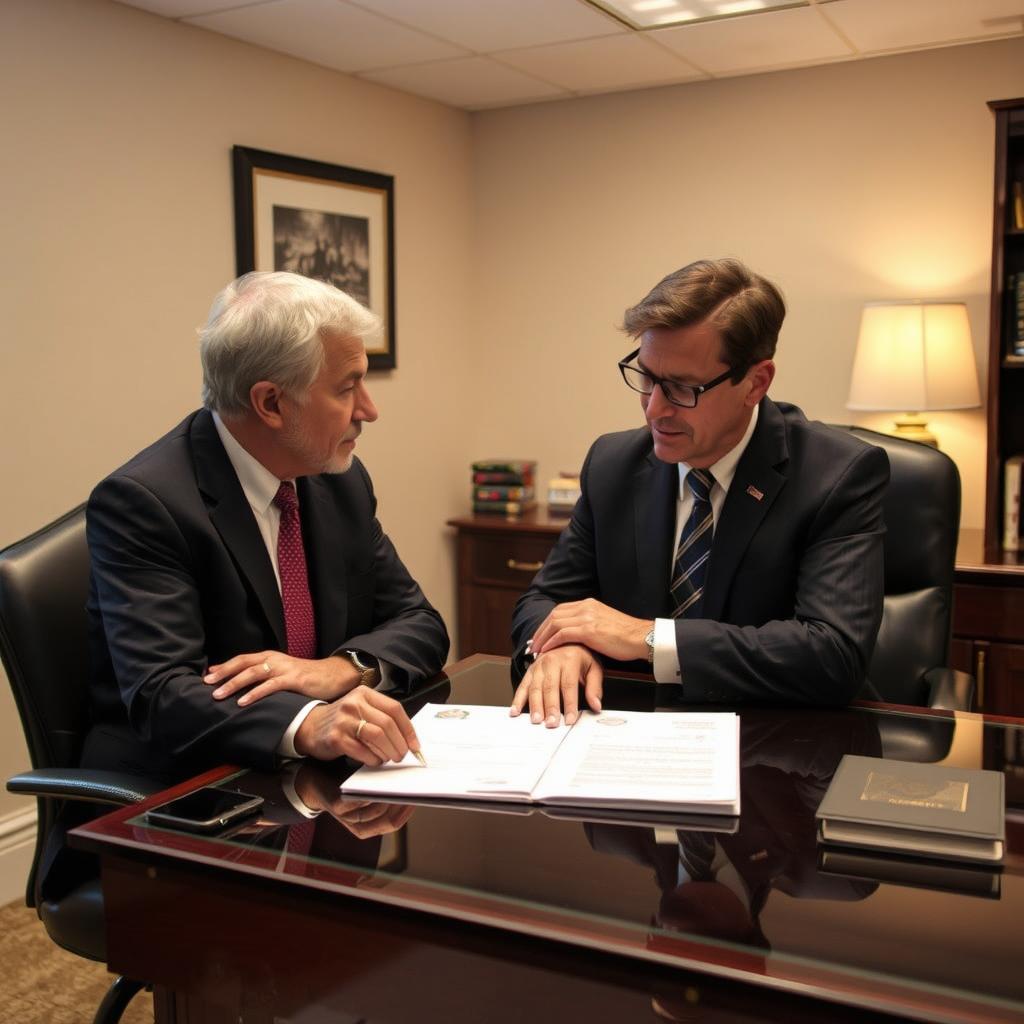
Property Settlement Lawyer Fauquier County, VA
If you are facing a divorce in Fauquier County, Virginia, and need to resolve how your marital property will be divided, retaining a property settlement lawyer can help you understand your rights and pursue a fair outcome. Law Offices Of SRIS, P.C. handles property division matters for clients throughout Fauquier County, guiding them through Virginia’s equitable distribution process under Va. Code § 20-107.3. The firm’s Fairfax location serves Warrenton, New Baltimore, Bealeton, Marshall, The Plains, and surrounding communities. Mr. Sris, Owner and Founder of the firm, and his Of Counsel team work with clients to identify, value, and distribute marital assets—including real estate, business interests, retirement accounts, and personal property—while addressing debts and long-term financial considerations. To request a consultation, call (888) 437-7747. Law Offices Of SRIS, P.C. – Advocacy Without Borders.
What a Property Settlement Lawyer Does in Fauquier County
Fauquier County family law matters are heard in the Fauquier County Circuit Court at 6 Court Street, Warrenton, VA 20186. The Circuit Court has exclusive original jurisdiction over divorce and equitable distribution; the Juvenile and Domestic Relations District Court handles standalone custody and support. A property settlement lawyer helps clients navigate this two-court structure when issues involve both divorce and child-related concerns. On the ground in Fauquier County, the practice of property settlement involves negotiating and drafting a separation agreement (also called a property settlement agreement) that addresses all marital assets and debts, or litigating contested issues before the court. Mr. Sris and his Of Counsel are familiar with local court practices, including the expectation that each side presents a comprehensive inventory of all marital property and that, for an uncontested divorce, at least one corroborating witness typically appears at the prove-up hearing. Whether the case proceeds by agreement or trial, having counsel who regularly handles equitable distribution in the Twentieth Judicial District can help ensure that your interests are effectively represented.
Virginia is an equitable distribution state, not a community property state. That means the court divides marital property fairly but not necessarily equally. The 11 statutory factors set out in Va. Code § 20-107.3 guide the judge’s decision. These factors include each spouse’s monetary and non-monetary contributions, the duration of the marriage, the ages and health of the parties, and the circumstances that led to the dissolution. Because the judge has broad discretion, the quality of the evidence and the persuasiveness of the arguments often influence the outcome. A property settlement attorney who knows the local bench and the procedural nuances of Fauquier County Circuit Court can present your case in the strongest possible light.
The firm’s Fairfax Location, at 4008 Williamsburg Court, Fairfax, VA 22032, represents clients in Fauquier County Circuit Court divorce and equitable distribution proceedings.
Source: firm records; Virginia Circuit Courts.
Reviewed by Mr. Sris, admitted in VA/MD/DC/NJ/NY.
How Mr. Sris and His Of Counsel Handle Property Settlement Cases
Property settlement matters begin with a thorough identification and valuation of all marital assets and debts. Mr. Sris and his Of Counsel work with clients to compile financial disclosures, including bank and brokerage statements, real estate appraisals, business valuations, retirement account statements, and credit reports. When assets are complex—such as a family-owned business, professional practice, stock options, or international holdings—the firm engages forensic accountants and independent valuation professionals to prepare reports that can withstand court scrutiny. The team then analyzes the classification of each asset and debt under Virginia law, distinguishing between marital property, separate property, and hybrid property where separate contributions were made during the marriage. This classification stage is critical because separate property is not subject to division, while marital property is.
Once the financial picture is clear, Mr. Sris and his Of Counsel pursue a resolution strategy tailored to your circumstances. Many Fauquier County divorces resolve through a negotiated separation agreement that covers all property division, spousal support, and any other outstanding issues. The agreement, if properly drafted and signed by both parties, can be incorporated into the final divorce decree. When the parties cannot reach consensus, the firm is prepared to advocate for your interests at trial in Fauquier County Circuit Court. Throughout the process, the attorneys focus on obtaining a result that protects your financial future while managing the costs and emotional toll of protracted litigation. Results may vary.
About Mr. Sris and His Of Counsel Team
Mr. Sris, Owner and Founder of Law Offices Of SRIS, P.C., has practiced in Virginia since 1997. He is a former prosecutor who understands how to build and present a case, skills that prove valuable in contested divorce and property division proceedings. His background includes testifying before the Virginia House Courts of Justice Committee in support of 2019 HB 635 (chief patron Del. David Bulova). Mr. Sris is admitted in Virginia, Maryland, the District of Columbia, New Jersey, and New York.
Mr. Sris and his Of Counsel bring extensive combined legal experience. Together, they have documented case results across multiple practice areas since the firm’s founding. Results may vary. The team includes attorneys with backgrounds in litigation, including a former Virginia State Trooper and a former Maryland Assistant State’s Attorney. Every non-Sris attorney is Of Counsel and engaged through Excella; the firm has no associate or partner hierarchy. Clients in Fauquier County benefit from the collective knowledge of this multi-state practice, supported by the firm’s Fairfax Location.
Frequently Asked Questions
What is a property settlement agreement in Virginia?
A property settlement agreement is a written contract between spouses that resolves all issues related to property division, spousal support, and sometimes child-related matters. In Virginia, such an agreement is also called a separation agreement. Once signed and notarized, it becomes a binding contract. The Fauquier County Circuit Court reviews the agreement as part of the divorce proceeding; if the court finds it fair and voluntarily made, it incorporates the agreement into the final decree. Having an experienced property settlement attorney draft or review the agreement is essential to protect your financial interests and to ensure that the document is comprehensive and enforceable under Virginia law. Even a small oversight can lead to costly litigation later.
How is marital property divided in a Virginia divorce?
Virginia courts divide marital property equitably, meaning fairly, not necessarily 50/50, under the 11 factors in Va. Code § 20-107.3. The judge first classifies each asset and debt as marital, separate, or hybrid. Marital property generally includes everything acquired during the marriage by either spouse, except gifts or inheritances. The court then assigns a value and distributes the marital estate equitably. Because the judge has wide discretion, the presentation of evidence and legal argument often sways the final division. A Fauquier County property settlement lawyer can argue for a distribution that reflects your contributions and future needs.
Can we decide how to divide our property without going to court?
Yes, spouses can reach their own agreement and memorialize it in a signed separation agreement, which the court can approve without a trial. In fact, most Fauquier County divorces resolve this way. The process is typically faster and less expensive than litigation. However, both parties should have independent legal counsel to ensure the agreement is fair and legally sound. Once signed and notarized, the agreement becomes binding, so it is crucial to understand its terms fully. A property settlement lawyer can negotiate on your behalf and draft an agreement that covers all assets, debts, and contingencies.
What if my spouse is hiding assets?
If you suspect your spouse is concealing assets, your attorney can use discovery tools—such as interrogatories, requests for production of documents, and subpoenas—to uncover hidden accounts, transfers, or undervalued property. In some cases, the firm retains forensic accountants to trace financial transactions and identify discrepancies. Virginia law requires full financial disclosure during divorce proceedings. Intentional concealment can have serious consequences, including an unequal division of property to compensate the innocent spouse or an award of attorney fees. Mr. Sris and his Of Counsel have experience investigating complex financial situations and presenting the findings to the court.
How are retirement accounts divided in a Virginia divorce?
Retirement accounts, including 401(k)s, IRAs, and pensions, are marital property to the extent they were earned during the marriage, and they are divided under Virginia’s equitable distribution statute. The division often requires a qualified domestic relations order (QDRO) for employer-sponsored plans to split the account without tax penalties. Mr. Sris has knowledge of QDRO procedures; his 2019 legislative testimony related to retirement-plan division under § 20-107.3(g). The firm works with plan administrators and actuaries to value and divide these assets properly, helping ensure that the division is both fair and tax-efficient.
Will the court divide debts as well as assets?
Yes, the Fauquier County Circuit Court will divide both marital assets and marital debts as part of the equitable distribution process. Marital debts generally include obligations incurred during the marriage for the benefit of the family, such as a mortgage, car loans, and credit card balances. The court considers the same statutory factors when allocating debts as it does for assets. It is critical to provide a complete picture of all liabilities so that the final decree fully addresses your financial obligations. A property settlement lawyer can help you identify which debts are marital and propose a fair allocation.
How long does a property settlement case take in Fauquier County?
The timeline varies depending on whether the divorce is contested or uncontested, the complexity of the assets, and the court’s calendar. An uncontested divorce with a signed separation agreement can be completed relatively quickly once the statutory separation period is met. A contested case that requires a trial on equitable distribution can take significantly longer, especially if business valuations or expert witnesses are involved. Mr. Sris and his Of Counsel can give you a better estimate after reviewing the specifics of your situation.
Do I need a lawyer for property settlement in Fauquier County?
While not legally required, retaining a property settlement lawyer is strongly advisable because division of marital assets involves complex legal and financial questions that can affect you for years. The court will not advise you on what is fair; it simply applies the law to the facts presented. Without counsel, you risk overlooking valuable assets, accepting an unfavorable division, or signing an agreement that harms your long-term financial health. Law Offices Of SRIS, P.C. offers consultations to discuss your case and help you decide the trusted path forward. For a consultation, contact the firm at (888) 437-7747.
What is the difference between separate and marital property in Virginia?
Separate property includes assets owned before marriage, inheritances, and gifts from third parties; marital property is everything else acquired during the marriage. However, separate property can become hybrid if marital funds are commingled or if the non-owning spouse made contributions that increased its value. Proving the source of funds and tracing separate contributions often requires detailed documentation. A property settlement lawyer can analyze your finances to properly classify all assets and argue for the treatment most favorable to you under Virginia law.
Can a property settlement agreement be modified after the divorce?
Generally, a property settlement agreement that has been incorporated into a final divorce decree cannot be modified unless both parties agree or the agreement itself contains a provision for modification. Unlike child support or custody, property division is considered a final judgment. A rare exception exists if fraud, duress, or mutual mistake can be proven. Because the agreement is so permanent, it is critical to have it drafted carefully from the start. The firm’s attorneys help clients negotiate terms that are intended to be durable and enforceable.
Official Virginia Resources:
- Va. Code § 20-107.3 — Equitable Distribution
- Fauquier County Circuit Court
- Virginia Family Law Information
Attorney advertising. Prior results do not guarantee a similar outcome.
Results may vary.
Case results depend on a variety of factors unique to each case.