
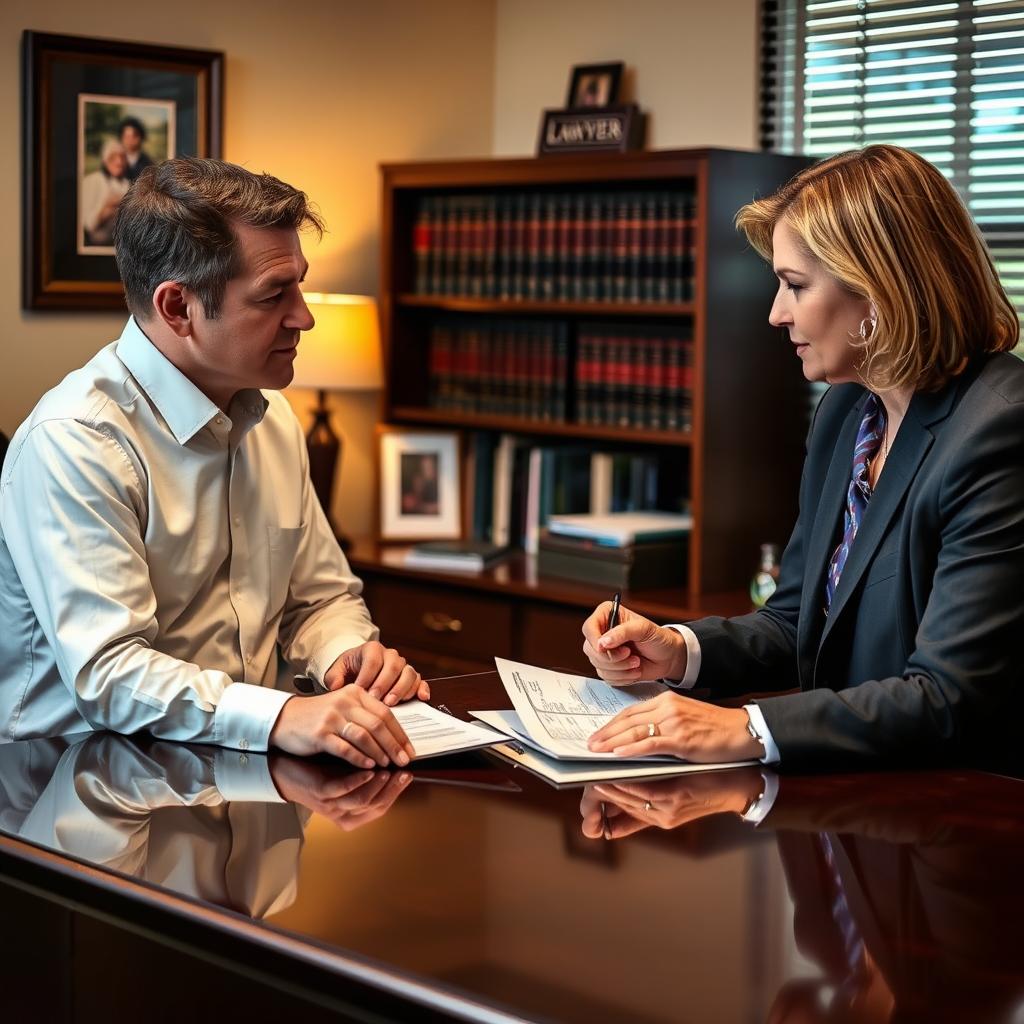
Partner Support Lawyer Rockingham County, VA
When a relationship ends or a separation becomes necessary, the financial obligations between partners often remain. In Rockingham County, Virginia, partner support matters—including spousal support, alimony, and pendente lite support—are governed by Virginia’s equitable distribution laws and the statutory factors set out in the Code of Virginia. Whether you are seeking support from a former partner or defending against an unreasonable request, understanding how the Rockingham County Circuit Court and the Juvenile and Domestic Relations District Court handle these issues is essential. Mr. Sris and his Of Counsel represent clients throughout Rockingham County, including Harrisonburg, Bridgewater, Dayton, Elkton, Timberville, and Broadway, in all phases of partner support litigation and negotiation. To discuss your situation, reach Law Offices Of SRIS, P.C. at (888) 437-7747. Law Offices Of SRIS, P.C. – Advocacy Without Borders.
Partner Support in Rockingham County: The Legal Framework
Partner support in Virginia is shaped by a combination of statutory guidelines and judicial discretion. Under Va. Code § 20‑107.1, the court weighs a set of factors to determine whether spousal support is appropriate, the amount, and the duration. Because Virginia is an equitable distribution state, support is not automatically set at a fixed percentage; rather, the judge considers the needs of the requesting party, the ability of the other party to pay, and the circumstances that contributed to the end of the relationship. Rockingham County judges apply these factors within the procedural landscape of the Twenty-sixth Judicial District, and cases are heard at the Rockingham County Circuit Court or, for petitions filed independent of a divorce, in the Juvenile and Domestic Relations District Court.
The Rockingham County Circuit Court, located at 53 Court Square in Harrisonburg, exercises exclusive jurisdiction over divorce actions, including requests for permanent spousal support that are part of a final decree. The Juvenile and Domestic Relations District Court handles standalone support petitions, modifications, and enforcement matters. Having counsel who understands the local practice—how particular judges approach vocational evaluations, how business and retirement assets are valued, and what documentation is typically expected—can make a meaningful difference in the resolution of a support case.
While every family situation is different, the court’s primary focus is fairness. The 13 statutory factors require the judge to examine the work history, education, health, and contributions of each party. A partner who has been out of the workforce for years may receive rehabilitative support, while a partner who has the ability to be self-supporting may receive limited or no support. The court also has the authority to order pendente lite support—temporary support during the divorce process—so that neither party suffers undue financial hardship while the matter is pending. The timeline for a pendente lite hearing is set by the court’s calendar, and parties should be prepared to present evidence of immediate financial need.
How Mr. Sris and His Of Counsel Handle Partner Support Cases
Partner support disputes often turn on accurate financial disclosure and a clear showing of need. Mr. Sris and his Of Counsel focus on building a thorough factual picture from the outset. For the party seeking support, that may involve compiling evidence of historic household contributions, established lifestyle, and the paying party’s income and asset picture. For the party opposing an award, the goal is to demonstrate that the requesting party has the capacity to become self-supporting or that the requested amount exceeds a fair assessment under the statutory factors.
The process often begins with a detailed financial statement filed with the court. Mr. Sris and his Of Counsel guide clients through the discovery phase, which may include interrogatories, requests for production of documents, and depositions. In Rockingham County, the court may also order mediation or a settlement conference before a trial. Mediation can be a cost-effective way to reach an agreement, but if a reasonable settlement is not possible, the matter proceeds to a hearing before the judge. Mr. Sris and his Of Counsel are experienced in presenting support cases at both the Circuit Court and the Juvenile and Domestic Relations District Court. They work to craft persuasive legal arguments that address each statutory factor and respond to the specific evidence the other side presents. Once an order is entered, enforcement or modification actions may follow if circumstances change—for instance, a job loss, a substantial increase in income, or the remarriage of the recipient.
About Mr. Sris and His Of Counsel Team
Mr. Sris, Owner and Founder of Law Offices Of SRIS, P.C., has practiced family law since the firm’s founding in 1997. A former prosecutor, he understands how to evaluate evidence and present a reasoned case to the court. Mr. Sris testified before the Virginia House Courts of Justice Committee in support of 2019 HB 635 (chief patron Del. David Bulova), reflecting his deep familiarity with Virginia equitable distribution law. Together with his Of Counsel, Mr. Sris serves clients from the firm’s Shenandoah location at 505 N Main St, Suite 103, Woodstock, Virginia, by appointment. The team is admitted in Virginia, Maryland, the District of Columbia, New Jersey, and New York, and brings substantial experience to family law matters throughout Rockingham County.
The Of Counsel attorneys who assist Mr. Sris include practitioners with diverse backgrounds—former state troopers, former Maryland prosecutors, and lawyers with decades of trial work. Every attorney on the team understands that partner support cases require both strategic legal analysis and careful attention to the financial realities of the client. The firm’s approach is to provide candid, realistic advice at the consultation stage so that clients can make informed decisions about whether to negotiate, litigate, or modify an existing support order.
Frequently Asked Questions
What is partner support in Virginia?
Partner support, commonly called spousal support or alimony, is a court-ordered payment from one partner to the other after a separation or divorce. In Virginia, the award is governed by Va. Code § 20‑107.1, which sets out 13 factors the judge must consider: the needs of the receiving party, the paying party’s ability to pay, the standard of living during the relationship, the duration of the relationship, and each party’s age, health, and contributions, among others. The support can be temporary (pendente lite), rehabilitative for a set period, or permanent in limited circumstances. Whether you are seeking support or opposing it, the Rockingham County courts will evaluate the evidence in light of these statutory factors.
How does a court decide spousal support in Rockingham County?
The Rockingham County Circuit Court or Juvenile and Domestic Relations District Court decides spousal support by applying the 13 factors listed in Va. Code § 20‑107.1 to the specific facts of each case. The judge examines financial affidavits, tax returns, pay stubs, and testimony about the couple’s lifestyle and contributions. The court may also consider evidence of fault if it is relevant to the financial circumstances. At a support hearing, each side presents evidence and argument; the judge then issues a written order that sets the amount and duration of support. Because every case is fact-specific, outcomes vary, and having an experienced family law attorney to marshal the evidence is critical.
Can I modify a support order in Rockingham County?
Yes, a spousal support order can be modified if there has been a material change in circumstances that was not anticipated at the time of the original order. Common reasons include a significant increase or decrease in either party’s income, involuntary job loss, a serious health event, or changes in the recipient’s financial needs. In Rockingham County, a petition for modification is filed in the court that entered the original order—the Circuit Court if the support was part of a divorce decree, or the Juvenile and Domestic Relations District Court if it was a standalone order. The party requesting the modification must present evidence of the changed circumstances. Mr. Sris and his Of Counsel can help evaluate whether your situation meets the legal threshold for a modification.
Do I need a lawyer for partner support matters?
While you are not required to have a lawyer, partner support cases involve complex financial and statutory issues, and legal representation helps protect your rights. An attorney can assist with preparing accurate financial statements, gathering evidence of income and expenses, and presenting a persuasive argument to the judge. Because the statutory factors are nuanced and the consequences of an unfair order can last for years, having counsel who regularly practices in Rockingham County courts provides a meaningful advantage. For a consultation about your specific support question, reach Law Offices Of SRIS, P.C. at (888) 437-7747.
How do I file for spousal support in Rockingham County?
You typically file a petition for spousal support in the appropriate Rockingham County court, along with a financial statement and the required filing fee. If the support request is part of a divorce, it is included in the Complaint for divorce filed in the Circuit Court. If you are not divorcing but still need support, a separate petition can be filed in the Juvenile and Domestic Relations District Court. The petition must describe your need for support and the other party’s ability to pay. After filing, the court will schedule a hearing. Because procedural rules are strict and deadlines must be met, it is advisable to have a family law attorney prepare and file the petition on your behalf.
What factors does a Virginia judge consider for spousal support?
The judge considers the 13 factors enumerated in Va. Code § 20‑107.1, including the financial resources of each party, the standard of living during the marriage, the duration of the marriage, each party’s age and health, the contributions of each party—including homemaking and child‑rearing—and any circumstances that contributed to the dissolution of the relationship. The court also looks at the tax consequences of a support award and the ability of the paying spouse to meet their own needs while providing support. Because the list is extensive, a thorough presentation of evidence addressing each factor gives the judge a complete picture. No single factor controls; the decision is a holistic one grounded in fairness.
For family law matters across the Shenandoah Valley, we also serve clients in neighboring counties: Clarke County Family Law, Shenandoah County Family Law, Frederick County Family Law, Warren County Family Law, and Augusta County Family Law.
For further statutory reference, visit the Virginia Code Title 20 (Domestic Relations) and the Virginia Judicial System.
The information on this page is for general informational purposes only and does not constitute legal advice. Attorney advertising. Prior results do not guarantee a similar outcome. Results may vary.
Case results depend on a variety of factors unique to each case.