
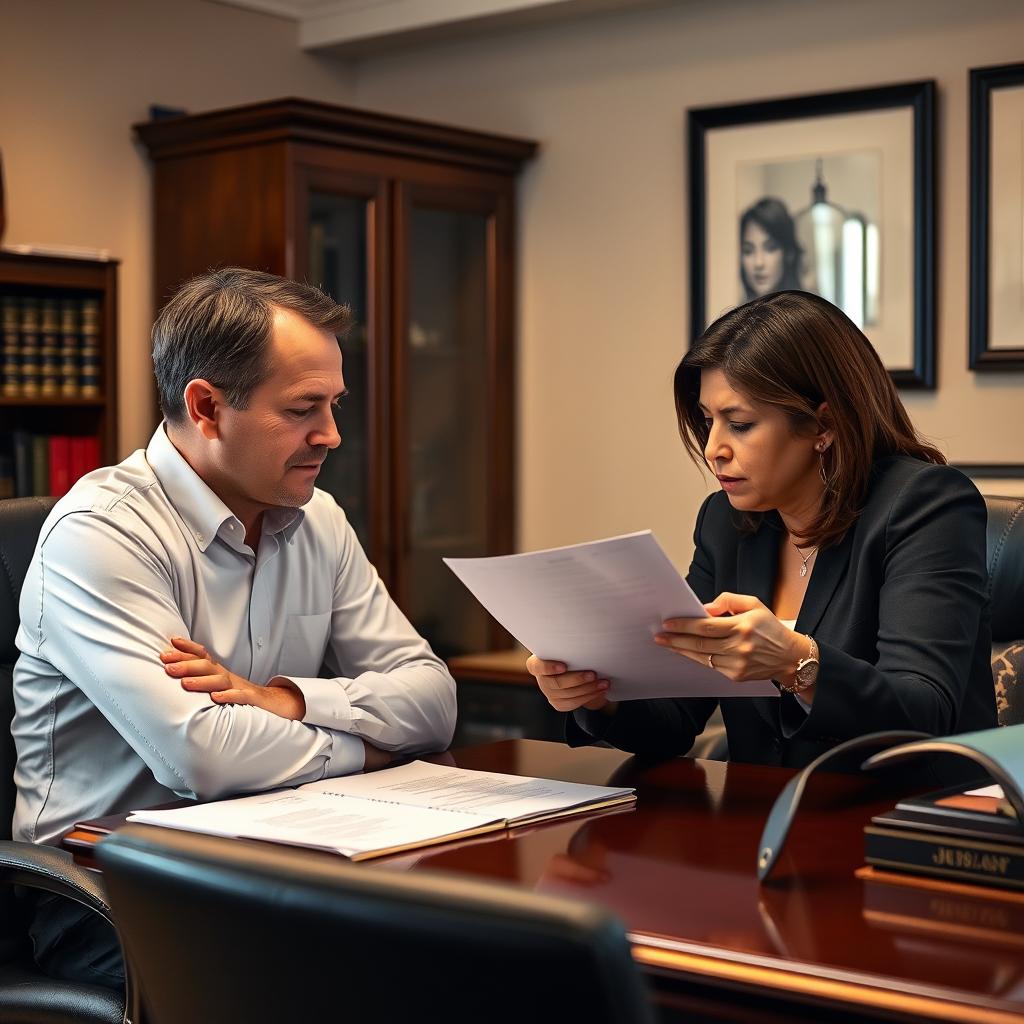
Legal Separation Lawyer Prince George County, VA
When you and your spouse decide to separate, the uncertainty can feel overwhelming. You may wonder how to protect your property, your children, and your future before a formal divorce begins. A well-crafted separation agreement can provide clarity and stability during this transition. Law Offices Of SRIS, P.C. helps clients in Prince George County navigate legal separation, create enforceable agreements, and prepare for the steps ahead. Call (888) 437-7747 to schedule a consultation. Law Offices Of SRIS, P.C. — Advocacy Without Borders.
Strategy Options for Legal Separation in Prince George County
Separation is not a one-size-fits-all process. The right approach depends on your family’s dynamics, the level of cooperation between spouses, and the issues that need to be resolved. Our clients often pursue one of three primary strategies.
Negotiated Separation Agreement. Many couples work with counsel to draft a comprehensive property settlement agreement that addresses property division, spousal support, custody, and visitation. This private contract, when signed by both parties, can resolve all outstanding issues and shorten the path to an uncontested divorce. It avoids court intervention and keeps control in your hands.
Mediation-Facilitated Resolution. If communication is strained but both parties want to avoid litigation, a neutral mediator can help structure conversations about the terms of separation. Mr. Sris and his Of Counsel regularly guide clients through the mediation process, ensuring your interests are protected as agreements take shape.
Litigated Divorce with Pendente Lite Support. When agreement is impossible, a spouse may need immediate court intervention for temporary child custody, support, or exclusive use of the family home. The Prince George County Juvenile and Domestic Relations District Court can enter pendente lite orders while the divorce case proceeds in the Circuit Court.
What to Expect When Separating in Prince George County
Virginia does not grant a judicial decree of “legal separation” in the way some states do. Instead, separation is a factual period during which spouses live apart. That period becomes important later as the statutory foundation for a no-fault divorce. In Prince George County, the Circuit Court handles the divorce, equitable distribution, and spousal support; the Juvenile and Domestic Relations District Court handles standalone custody, visitation, and child support matters.
The process typically begins with one spouse consulting an attorney to understand the legal landscape. From there, the parties may negotiate the terms of their separation directly or through counsel. A separation agreement is drafted, reviewed, and signed. Once signed, the agreement governs how property is divided, how support is paid, and how parenting time is allocated while the spouses live apart. If disputes arise, motions can be filed to enforce the agreement or to seek temporary relief from the court.
The court will determine a hearing schedule based on its own calendar and the issues presented. Every family’s timeline differs; the important thing is to have clear legal guidance from the outset so that nothing is overlooked.
Risks of Proceeding Without a Separation Agreement
A separation undertaken without a written agreement can leave both spouses exposed. Without a clear contract, marital assets accumulated during the separation may still be classified as marital property subject to division at divorce. Debts incurred by one spouse could affect the other. Custody and visitation arrangements, if not formalized, can lead to confusion and conflict. A separation agreement converts those uncertainties into enforceable obligations.
Virginia’s equitable distribution statute empowers the Circuit Court to divide marital property fairly, but the court’s definition of “fair” may not match what you would have negotiated privately. Having a signed agreement before filing for divorce allows you to control the outcome rather than leave it to judicial discretion.
Attorney Credentials — Mr. Sris and His Of Counsel Team
Mr. Sris, Owner and Founder of Law Offices Of SRIS, P.C., has practiced family law since 1997. A former prosecutor, he brings an analytical, detail-oriented approach to separation and divorce matters. He is admitted in Virginia, Maryland, the District of Columbia, New Jersey, and New York. Mr. Sris testified before the Virginia House Courts of Justice Committee in support of 2019 HB 635 (chief patron Del. David Bulova), a measure that refined the equitable distribution framework for retirement assets.
Mr. Sris is supported by a team of Of Counsel attorneys with extensive family law experience. Mr. Sris and his Of Counsel bring over 120 years of combined legal experience and 4,739+ documented firm-wide results. Results may vary.
Frequently Asked Questions
What is legal separation in Virginia?
Virginia does not recognize “legal separation” as a court-ordered status, but separation is the foundation for a no-fault divorce. Separation means you and your spouse live apart, with at least one of you intending the separation to be permanent. A signed separation agreement can resolve property, support, and custody issues during this time, and is often a key document when you later file for divorce in Prince George County Circuit Court.
Do I need a separation agreement in Prince George County?
You are not legally required to have a separation agreement, but it is strongly recommended to protect your interests. Without one, there is no enforceable understanding about who pays what, who lives where, or how parenting time is divided. An agreement drafted by an attorney and signed by both parties becomes a binding contract and can form the basis of an uncontested divorce.
How long must we be separated before filing for divorce?
Under Virginia Code § 20-91, you must live separate and apart for one year, or six months if you have no minor children and have a signed separation agreement. The clock starts when you begin living apart with the intention of ending the marriage. The separation period is a key jurisdictional requirement, and the date of separation should be documented clearly. For a no-fault divorce, the complaint is filed in the Prince George County Circuit Court.
How does separation affect child custody in Prince George County?
During separation, child custody and visitation can be established by agreement or by court order. A separation agreement can include a detailed parenting plan. If the parents cannot agree, either party may petition the Prince George County Juvenile and Domestic Relations District Court for a custody or visitation determination based on the best interests of the child. The court considers the factors in Va. Code § 20-124.3.
Can we modify our separation agreement after it is signed?
Yes, a separation agreement can be modified if both parties consent, or by a court if circumstances warrant. If the parties agree in writing, the modification becomes effective. If one party refuses, the other may seek modification through a motion in the Circuit Court, typically after the divorce is filed. Common reasons for modification include a change in income, relocation, or a child’s evolving needs.
For a confidential discussion of your separation plan, contact Law Offices Of SRIS, P.C. at (888) 437-7747. You may also reach our Richmond location at (804) 201-9009, by appointment only. We serve clients throughout Prince George County and the surrounding communities.
Virginia Code Title 20 (Domestic Relations) · Prince George County Circuit Court
Attorney advertising. Prior results do not guarantee a similar outcome. Results may vary. Case results depend on a variety of factors unique to each case.