
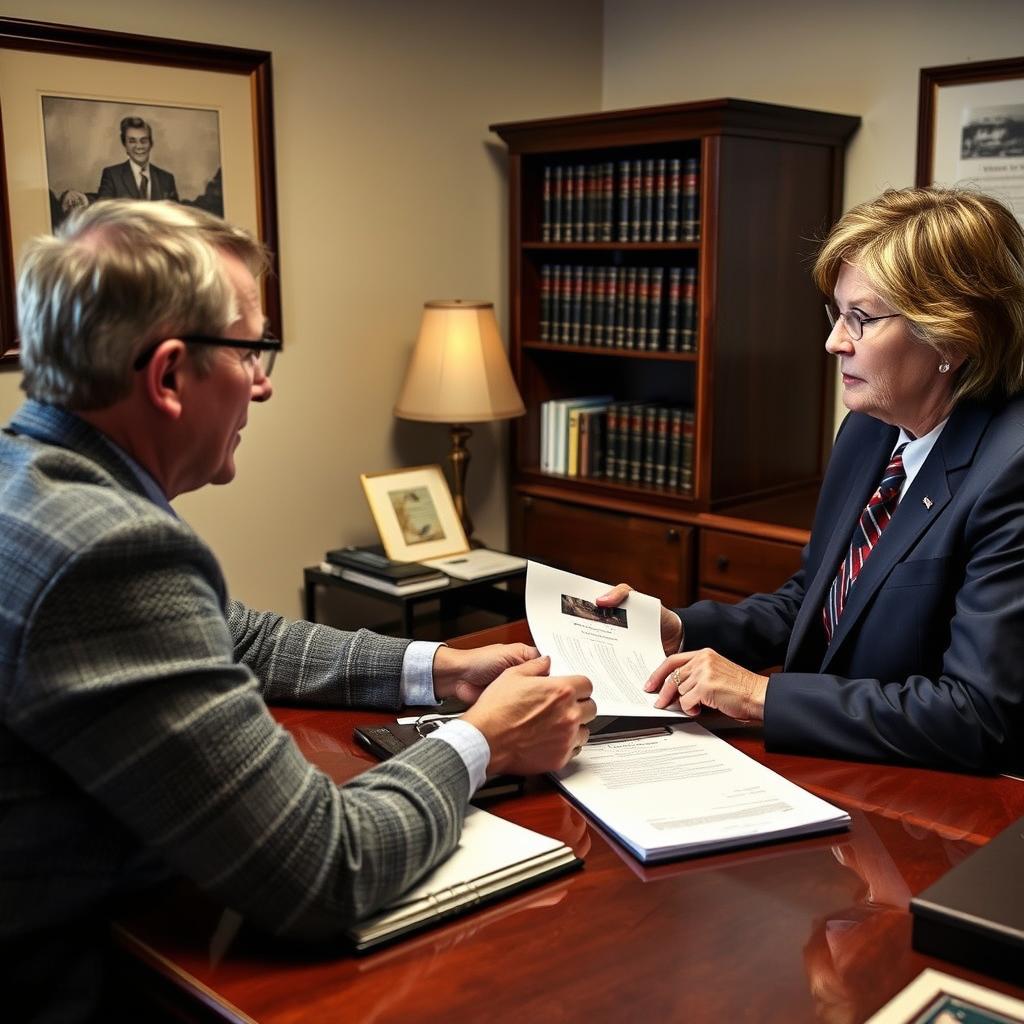
Guardianship Lawyer in Rappahannock County, Virginia — Protecting Vulnerable Loved Ones
A guardianship in Rappahannock County is a legal proceeding where the Circuit Court appoints a responsible adult to make decisions for an incapacitated person (ward). This process, governed by Virginia statutes, is vital for protecting minors without parents or adults who cannot care for themselves. The Law Offices Of SRIS, P.C.
Last verified: April 2026 | Rappahannock County Circuit Court | Virginia General Assembly
Understanding Guardianship Law in Virginia
Guardianship in Virginia is a court-supervised arrangement established when an individual (the ward) is deemed incapacitated. Incapacity means the person lacks the ability to receive and evaluate information effectively or to communicate decisions to such an extent that they cannot meet the essential requirements for their health, safety, or self-care. The court appoints a guardian to make personal and/or financial decisions on the ward’s behalf. This is a serious legal step, as it removes certain rights from the ward. The process is designed as a protective measure of last resort when no less restrictive alternatives, like powers of attorney or advance directives, are sufficient.
For a minor, a guardianship may be necessary if both parents are deceased, incapacitated, or have had their parental rights terminated. For an adult, a guardianship petition is typically filed by a family member, friend, or a local social services agency. The court’s primary concern is always the best interest and well-being of the alleged incapacitated person.
Official Legal Resources
For the complete text of Virginia’s guardianship laws, visit the Virginia Code Title 64.2, Chapter 20 (official Virginia General Assembly site). All guardianship petitions for Rappahannock County are filed with the Rappahannock County Circuit Court.
The Guardianship Process in Rappahannock County Circuit Court
Filing a guardianship petition in Rappahannock County requires strict adherence to Virginia procedural rules. The process begins with determining the correct type of guardianship needed—guardian of the person, guardian of the estate, or a plenary guardian for both. You must then prepare a detailed petition outlining the alleged incapacitated person’s condition, the proposed guardian’s qualifications, and why less restrictive options are not viable. The court will appoint a Guardian ad Litem, an independent attorney, to investigate and represent the ward’s interests. A medical or psychological evaluation is almost always required to provide evidence of incapacity.
- Consult with a guardianship attorney to assess the situation and explore alternatives.
- Gather necessary evidence, including medical evaluations and financial information.
- File the formal petition and supporting documents with the Rappahannock County Circuit Court clerk.
- Serve legal notice to all required parties, including the alleged incapacitated person and their next of kin.
- Attend the court hearing, where the judge will hear from the petitioner, the Guardian ad Litem, and any other interested parties.
- If appointed, the guardian must file an initial inventory and annual accountings with the court as required.
Responsibilities of a Legal Guardian
Being appointed a guardian is a significant fiduciary duty. The court order will define the scope of the guardian’s powers. A guardian of the person is responsible for the ward’s care, including decisions about residence, medical treatment, education, and social services. A guardian of the estate must manage the ward’s financial assets prudently, pay necessary expenses, and provide detailed accountings to the court. Guardians must always act in the ward’s best interest, using the least restrictive means possible to meet the ward’s needs. Failure to fulfill these duties can result in court removal or legal liability.
Samantha Rae Powers, Associate Attorney at Law Offices Of SRIS, P.C. — Licensed in VA, FL. Experienced family law and civil litigator. View Samantha Rae Powers’s Profile
Case Results & Firm Authority
Law Offices Of SRIS, P.C. has a documented record of handling sensitive family and guardianship matters. In Rappahannock County, our firm has 40 total documented case results across all practice areas with a 98% favorable outcome rate. Founded in 1997 by former prosecutor Mr. Sris, our firm brings over 120 years of combined legal experience to every case. Mr. Sris’s background in accounting and information systems provides a unique advantage in cases involving the management of a ward’s financial estate. Our firm-wide track record includes 4,739+ case results with a 93%+ favorable outcome rate across Virginia, Maryland, New Jersey, New York, and Washington D.C.
Results may vary. Prior results do not guarantee a similar outcome.
Law Offices Of SRIS, P.C. — Fairfax
4008 Williamsburg Ct, Fairfax, VA 22032, United States
Toll-Free: (888) 437-7747 | Local: (703) 636-5417
Phones 24/7/365. Office by appointment only.
Our Fairfax location serves clients at the Rappahannock County courts (250 Gay Street, Washington, VA). We represent families in Washington, Sperryville, and Flint Hill. For a guardianship lawyer near Rappahannock County, contact us 24/7.
Guardianship Lawyer Rappahannock County FAQs
What is the difference between a guardian and a conservator in Virginia?
Yes, there is a key difference. A guardian (of the person) makes decisions about healthcare, residence, and personal welfare. A conservator (or guardian of the estate) manages financial affairs and property. The same person can be appointed to both roles.
Can I avoid guardianship with a power of attorney?
It depends. A properly executed durable power of attorney for finances and an advance medical directive can often avoid the need for guardianship. However, if the person is already incapacitated and did not sign these documents, a guardianship petition may be the only legal option.
How long does a guardianship take in Rappahannock County?
Typically 2 to 4 months from filing to a final hearing, assuming no contested issues. The timeline depends on court scheduling, the completeness of the petition, and the Guardian ad Litem’s investigation. Emergency temporary guardianships can be established much faster if imminent danger exists.
Who can file a petition to become a legal guardian?
Any interested adult can file, including family members, friends, or a local social services agency. The petitioner must demonstrate to the Rappahannock County Circuit Court that they are suitable, willing, and able to serve the ward’s best interests.
What are the ongoing duties after being appointed guardian?
A guardian must file an initial inventory of the ward’s assets with the court. Annually, they must submit a report on the ward’s well-being and a detailed accounting of all financial transactions. The guardian must also seek court approval for certain major decisions, like selling real estate.
For more information, see our related pages: Virginia Family Law Lawyer, Fairfax County Family Law Lawyer, and Rappahannock County Criminal Defense Lawyer.
Last verified: April 2026. Laws change — contact Law Offices Of SRIS, P.C. at (888) 437-7747 for current guidance.