
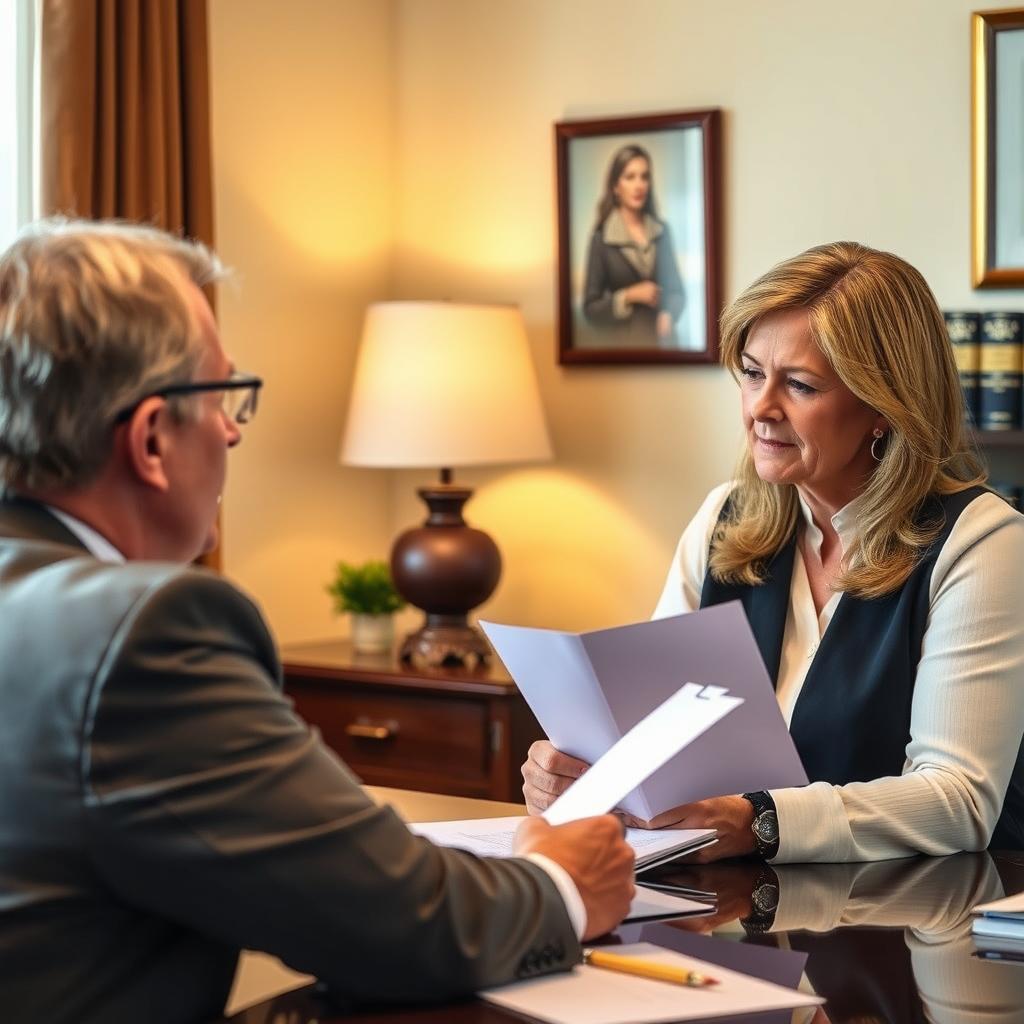
Domesticating Foreign Divorce Decree Lawyer Rappahannock County, VA
When a divorce is finalized in another country, it is not automatically recognized for all purposes in Virginia. A foreign divorce decree must be domesticated — that is, formally recognized by a Virginia court — before it can serve as the basis for property distribution, support enforcement, or marital-status documentation in the Commonwealth. In Rappahannock County, this type of matter falls within the jurisdiction of the Rappahannock County Circuit Court, which sits at 250 Gay Street, Suite 1, Washington, Virginia. The court evaluates whether the foreign proceeding provided due process, whether the issuing court had jurisdiction over the parties, and whether the decree is consistent with Virginia public policy. Because the analysis is highly fact‑specific, it is important to work with counsel who understand both the procedural requirements of the Virginia courts and the legal principles that govern the recognition of foreign judgments. Law Offices Of SRIS, P.C., founded in 1997, brings multi‑state experience to these matters. Mr. Sris and the firm’s Of Counsel attorneys help clients navigate the domestication process in Rappahannock County. Reach our firm at (888) 437-7747 to schedule a consultation. Law Offices Of SRIS, P.C. – Advocacy Without Borders.
What It Means to Domesticate a Foreign Divorce Decree in Rappahannock County
Domestication is the legal mechanism through which a Virginia court gives full force and effect to a divorce decree issued by a court outside the United States. Unlike a divorce granted in a sister state — which receives full faith and credit under 28 U.S.C. § 1738 — a foreign‑country judgment is evaluated under the doctrine of comity. The Rappahannock County Circuit Court will generally recognize a foreign divorce decree if the decree is valid under the law of the issuing jurisdiction, the foreign court had personal and subject‑matter jurisdiction, and the decree does not offend a fundamental public policy of Virginia.
In practice, this means the party seeking domestication must file a complaint in the Circuit Court and submit certified copies of the foreign decree along with a translation if the original is not in English. The court may also require evidence that the foreign proceeding was consistent with principles of due process, such as proof that both parties received notice and had an opportunity to be heard. Because Rappahannock County is a rural jurisdiction within the Twentieth Judicial District, the judge — currently the Honorable Lorrie Ann Sinclair Taylor — will apply the same comity principles that govern recognition statewide; however, local practice may influence the type of supporting documentation the court expects. Counsel familiar with the Circuit Court’s preferences can help ensure the petition is presented in a manner the court finds persuasive.
Rappahannock County Circuit Court is currently presided over by Hon. Lorrie Ann Sinclair Taylor. Court hours: Mon-Fri 8:00AM-4:00PM. Counsel appearing on family law matters should plan filings accordingly.
Once the foreign decree is domesticated, it can serve as a basis for subsequent actions in Virginia, such as the enforcement of spousal support or the division of assets located in the Commonwealth. It also establishes the parties’ marital status for purposes of remarriage, inheritance, and other legal rights. The firm’s family law practice assists clients with all stages of this process.
How Mr. Sris and the Firm’s Of Counsel Attorneys Handle Foreign Divorce Decree Domestication
The first step is a thorough review of the foreign decree and the circumstances under which it was issued. Mr. Sris and the firm’s Of Counsel attorneys examine the divorce judgment for indicia of procedural regularity: whether the foreign court’s jurisdiction is apparent on the face of the decree, whether both parties appeared or were properly served, and whether the decree resolves all marital issues the client seeks to enforce in Virginia. The firm frequently works with documents originating in India and other jurisdictions for which an apostille under the 1961 Hague Apostille Convention — to which India is a party — may be available to authenticate the decree without consular legalization.
After gathering the necessary documentation, counsel will prepare and file a complaint in the Rappahannock County Circuit Court. The complaint sets out the basis for recognition under comity principles and attaches the foreign decree as an exhibit. If the opposing party is located abroad and must be served, the firm can assist with service through the Hague Service Convention’s Central Authority route or, where authorized, through alternative service under Virginia law. Once the matter is at issue, the court will schedule a hearing. At the hearing, Mr. Sris and the firm’s Of Counsel attorneys present evidence supporting the validity of the foreign decree and argue why comity should be extended. The goal is to obtain an order from the Circuit Court that recognizes the foreign divorce decree as binding in Virginia.
About Mr. Sris and the Firm’s Family Law Attorneys
Mr. Sris, Owner and Founder of Law Offices Of SRIS, P.C., has practiced family law since the firm was established in 1997. A former prosecutor, he is admitted in Virginia, Maryland, the District of Columbia, New Jersey, and New York. His background includes testimony before the Virginia House Courts of Justice Committee in support of 2019 HB 635 (chief patron Del. David Bulova). That bill addressed procedural aspects of equitable distribution in Virginia divorce cases. Mr. Sris’s familiarity with the statutory framework that governs divorce recognition and enforcement informs the firm’s approach to cross‑border matters.
The firm’s Of Counsel attorneys bring additional experience in family law, including contested and uncontested divorce, equitable distribution, custody, and support. Collectively, Mr. Sris and the firm’s Of Counsel attorneys provide clients with the combined resources needed to address the procedural and evidentiary demands of a foreign divorce decree domestication proceeding in Rappahannock County. Results may vary.
Frequently Asked Questions
What is the process for domesticating a foreign divorce decree in Virginia?
A party seeking domestication files a complaint in the appropriate Virginia Circuit Court and submits the authenticated foreign decree for recognition under comity principles. The complaint must demonstrate that the foreign court had jurisdiction, that the divorce is valid where it was issued, and that the decree does not violate Virginia public policy. A hearing is typically scheduled, and the judge will decide whether to grant the request. Because the procedure is unfamiliar to many litigants, working with an attorney is advisable.
Do I need a lawyer to domesticate a foreign divorce decree in Rappahannock County?
You are not legally required to hire a lawyer, but the process involves presenting a legal argument to a Circuit Court judge, which can be challenging without representation. An attorney experienced in Virginia comity law can identify the necessary documentation, draft the complaint, and handle service and hearing presentation. For a consultation about your specific situation, reach our firm at (888) 437-7747.
How long does domestication take?
The timeline depends on the court’s calendar, the complexity of the issues, and whether the opposing party contests the recognition. An uncontested proceeding may be resolved in a matter of months, while a contested matter can take considerably longer. The firm works to advance the matter as efficiently as the procedural rules allow.
What documents are typically required to domesticate a foreign divorce decree?
Generally, the court requires a certified copy of the foreign divorce decree, a certified translation if the original is not in English, and evidence that the foreign proceeding afforded due process. Depending on the country of origin, an apostille or other authentication may be necessary. The firm helps clients gather and prepare the appropriate documentation.
Can a foreign divorce decree be challenged in Virginia after domestication?
Once a Virginia court issues an order recognizing the foreign decree, that order is final and subject to appeal under the same rules as any other Circuit Court judgment. A party who did not appear in the foreign proceeding may seek to set aside the recognition order on limited grounds, such as lack of jurisdiction or fraud. The available remedies are fact‑specific and require prompt action.
What is the difference between domestication and enforcement of a foreign divorce decree?
Domestication is the process of obtaining a Virginia court order that gives the foreign decree the same effect as a Virginia divorce; enforcement involves using that recognized decree to compel compliance with its terms. For example, a spouse may seek domestication to establish marital status and then separately file a petition to enforce spousal support awarded in the foreign decree. The firm handles both steps.
For guidance on your specific situation, reach Law Offices Of SRIS, P.C. at (888) 437-7747.
Related family law pages: Fairfax County family law lawyer · Fairfax City family law lawyer · Falls Church family law lawyer · Prince William County family law lawyer · Manassas family law lawyer
Additional resources from Virginia primary legal authorities open in a new tab:
Virginia Code Title 20 — Domestic Relations
Virginia Judicial System
Attorney advertising. Prior results do not guarantee a similar outcome. Results may vary. Case results depend on a variety of factors unique to each case.