
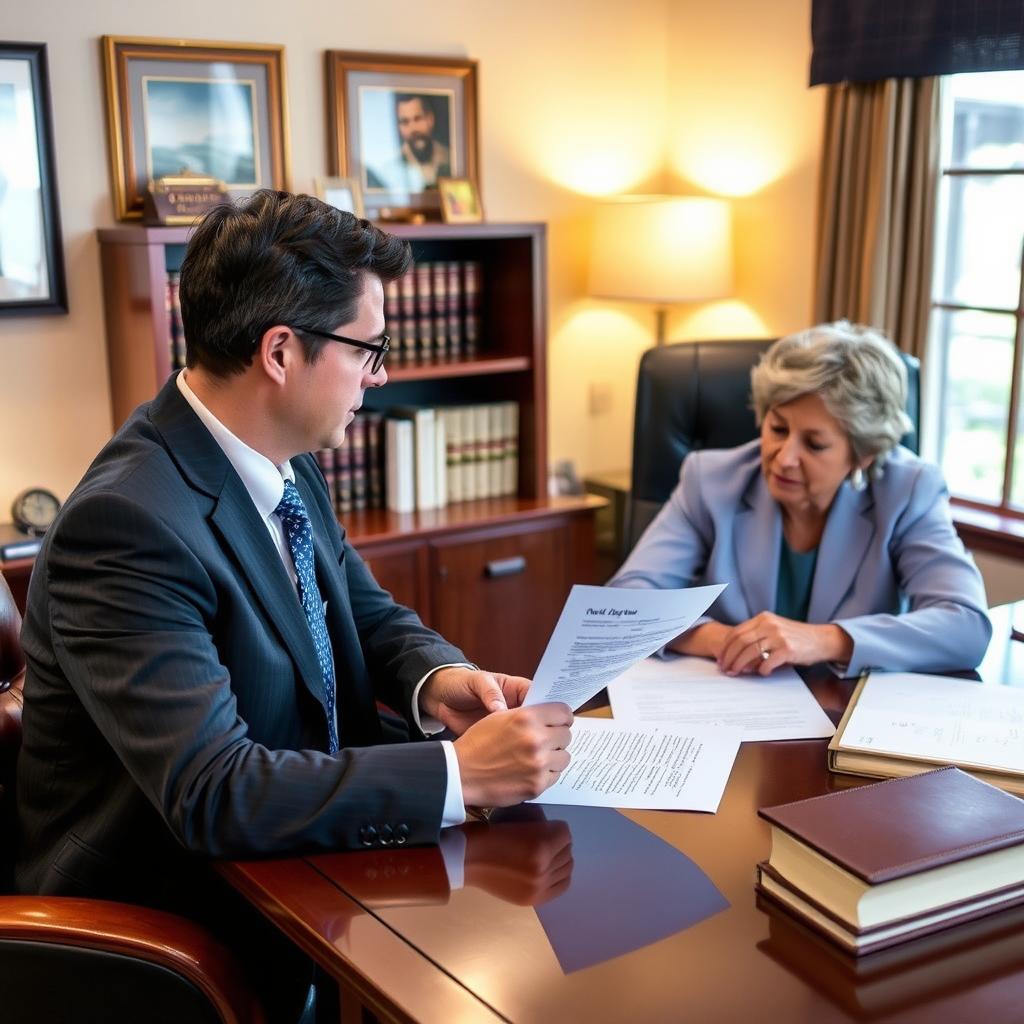
Domesticating Foreign Divorce Decree Lawyer Fluvanna County, VA
When a marriage ends in another country, bringing the foreign divorce decree into Virginia can raise procedural and legal questions. Mr. Sris and the firm’s Of Counsel attorneys assist clients in Fluvanna County who need to domesticate a divorce judgment issued abroad. Domesticating a foreign divorce decree means asking a Virginia court to recognize the decree and give it the same effect as a Virginia-issued divorce. The firm concentrates on family law matters, including recognition of foreign judgments, and serves Palmyra, Fork Union, Lake Monticello, and the surrounding communities of Fluvanna County. Reach Law Offices Of SRIS, P.C. at (888) 437-7747 to schedule a consultation.
Domesticating a Foreign Divorce Decree in Virginia
A divorce decree from a foreign country does not automatically have legal force in Virginia. The party seeking to rely on the decree may need to file a complaint in the Fluvanna County Circuit Court — the court with exclusive original jurisdiction over divorce matters — to have the decree domesticated. The process is distinct from originally obtaining a divorce. The Virginia court examines whether the foreign court had jurisdiction, whether the decree is final and valid under the law of the issuing country, and whether recognizing the decree would contravene Virginia public policy.
Under the doctrine of lex loci celebrationis, a marriage validly contracted in another jurisdiction is presumptively recognized. That principle often guides the analysis when a foreign divorce decree is presented. The firm’s approach involves preparing the required pleadings, gathering authenticated copies of the foreign decree, and addressing any evidentiary issues the court may raise. An apostille — available through the 1961 Hague Convention to which many countries, including India, are party — may assist with authentication, but the court ultimately decides recognition based on comity and applicable Virginia law.
Frequently Asked Questions
What does it mean to domesticate a foreign divorce decree in Virginia?
Domesticating a foreign divorce decree is the legal process of obtaining a Virginia court order that recognizes and enforces the divorce as if it had been granted in Virginia. Without domestication, the foreign decree may not be accepted by government agencies, financial institutions, or for remarriage licensing purposes. The process involves filing a petition in the appropriate Circuit Court and presenting evidence that the decree is valid, final, and not contrary to Virginia public policy.
Do I need a lawyer to domesticate a foreign divorce decree in Fluvanna County?
You are not legally required to retain counsel, but the domestication process can involve procedural requirements and evidentiary standards that benefit from experienced guidance. Mr. Sris and the firm’s Of Counsel attorneys handle foreign-decree domestication matters and can assist with preparing the necessary documentation, addressing service requirements if the other party is abroad, and presenting the matter to the Fluvanna County Circuit Court. For a consultation, reach Law Offices Of SRIS, P.C. at (888) 437-7747.
Which court handles foreign divorce decree domestication in Fluvanna County?
Fluvanna County Circuit Court has jurisdiction over all divorce matters, including the domestication of a foreign divorce decree. The court is located at 72 Main Street, Suite B, Palmyra, Virginia 22963. Family law matters that involve custody, support, or protective orders separately are heard in the Fluvanna County Juvenile and Domestic Relations District Court, but the core question of recognizing a foreign divorce judgment proceeds in the Circuit Court.
What documents are typically required to domesticate a foreign divorce decree?
The petitioner normally needs a certified copy of the foreign divorce decree and, if not in English, a certified translation. Additional documentation may include proof of the foreign court’s jurisdiction over the parties and evidence that both parties received proper notice. An apostille or consular authentication can assist with verifying the decree’s authenticity, though the court may exercise discretion. Mr. Sris and the firm’s Of Counsel attorneys can advise on document collection and authentication strategies.
How long does the domestication process take?
The timeframe depends on the complexity of the case, the court’s docket, and whether the matter is contested. Uncontested domestication petitions where all required documents are in order may proceed relatively quickly once the complaint is filed; contested matters, or those requiring international service of process, take additional time. The court schedules hearings on its own calendar, and the firm can provide case-specific time estimates during a consultation.
Will Virginia automatically recognize a divorce decree from India?
Virginia does not automatically recognize a divorce decree from India; the decree must be presented for domestication through the Circuit Court. India is a contracting party to the 1961 Hague Apostille Convention, so an apostille on the decree can help with authentication. The court will evaluate the decree’s validity under Indian law — whether granted under the Hindu Marriage Act or the Special Marriage Act — and determine if recognition is consistent with Virginia’s public policy. The firm has experience with cross-border family law matters involving Indian nationals.
What if my foreign divorce decree includes child custody or property division terms?
Virginia courts may recognize and enforce the custody or property provisions of a foreign decree as part of the domestication process, but separate proceedings may be necessary if modification is sought. For custody, the trusted-interests standard under Virginia law remains the paramount consideration. India is not a signatory to the 1980 Hague Convention on Civil Aspects of International Child Abduction. For property division, the court will examine whether the foreign judgment is final and entitled to comity. The firm’s Of Counsel attorneys work with clients to address both the divorce recognition and any ancillary issues.
Is an apostille always required to domesticate a foreign divorce decree in Virginia?
An apostille is not a strict statutory requirement in every case, but it is often the most straightforward way to authenticate a public document from another country. Virginia courts may accept other forms of authentication, such as consular certification. The firm can advise on the most appropriate method given the issuing country’s treaty obligations and the specific requirements of the Fluvanna County Circuit Court.
What if the foreign divorce decree is from a country that is not party to the Hague Apostille Convention?
If the issuing country is not a party to the Apostille Convention, authentication typically requires a chain of certifications, often ending with a U.S. Consular officer in that country. The firm can assist with navigating alternative authentication methods and preparing the documentation in a form the Virginia court will accept.
Can I remarry in Virginia after my foreign divorce decree is domesticated?
Once the Virginia court enters an order domesticating the foreign divorce decree, you may generally rely on that order for remarriage licensing purposes. It is advisable to confirm with the Fluvanna County Circuit Court Clerk’s office that the domestication order is recorded and that there are no additional local requirements before applying for a marriage license.
How do I start the domestication process in Fluvanna County?
Contact Mr. Sris and the firm’s Of Counsel attorneys at (888) 437-7747 to schedule a consultation. The firm will review your foreign decree, discuss the procedural requirements, and prepare the necessary pleadings for filing in the Fluvanna County Circuit Court. The firm represents clients in Palmyra, Fork Union, Lake Monticello, and throughout Fluvanna County.
About Mr. Sris and the Firm’s Of Counsel Attorneys
Mr. Sris, Owner and Founder of Law Offices Of SRIS, P.C., has practiced since 1997 and is admitted in Virginia, Maryland, the District of Columbia, New Jersey, and New York. A former prosecutor, Mr. Sris brings extensive experience to family law matters, including the recognition of foreign divorce decrees. He testified before the Virginia House Courts of Justice Committee in support of 2019 HB 635 (chief patron Del. David Bulova). The firm’s Of Counsel attorneys handle family law, cross-border domestic relations, and other matters, drawing on collective experience. Results may vary.
Explore other family law resources: Family law in Fairfax County, family law in Prince William County, family law in Loudoun County, and family law in Arlington.
Primary source references: Virginia Code Title 20 (Domestic Relations) | Fluvanna County Circuit Court
Attorney advertising. Prior results do not guarantee a similar outcome. Results may vary. Case results depend on a variety of factors unique to each case.