
Equitable Distribution Lawyer Rappahannock County, VA
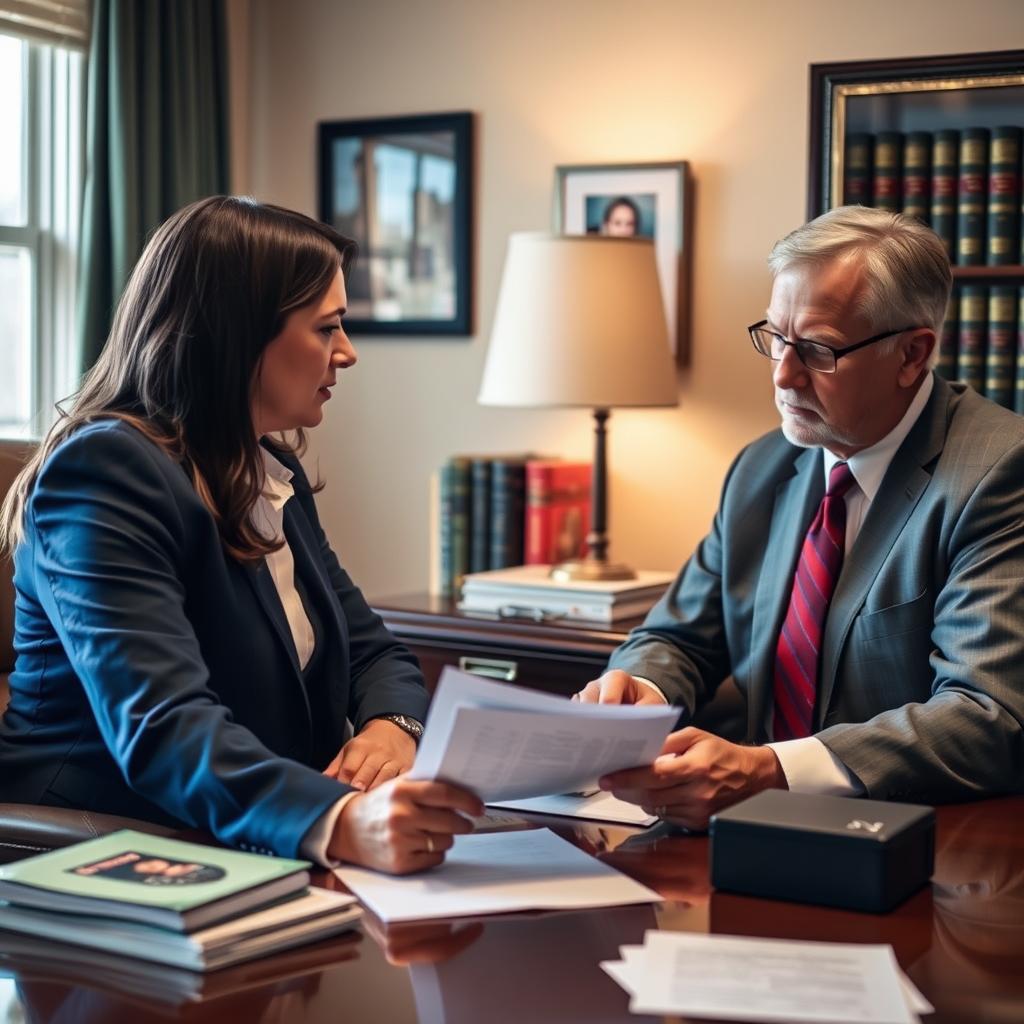
Maria had lived in Rappahannock County all her adult life. She and her husband built a home near Washington, raised two children, and grew a small landscaping business based in Sperryville. After nearly two decades, the marriage was ending. Maria wasn’t just worried about custody or support — she was afraid of losing the business she’d helped build and seeing her retirement savings cut in half. She learned that Virginia does not automatically split property 50-50. Instead, courts divide property according to principles of equitable distribution, which can leave one spouse with a larger share depending on the specific facts of the case. Maria needed someone who understood Rappahannock County courts and how to protect her future. If you face a similar situation, reach Law Offices Of SRIS, P.C. at (888) 437-7747 to request a consultation.
Law Offices Of SRIS, P.C. – Advocacy Without Borders.
Strategy Options for Your Equitable Distribution Case
Every divorce involving significant assets raises a central question: what is marital property and what is separate? In Rappahannock County, as throughout Virginia, the line between the two categories determines what the court can divide. Mr. Sris, Owner and Founder of Law Offices Of SRIS, P.C., and the firm’s Of Counsel attorneys approach equitable distribution by first identifying all assets — real estate, bank accounts, business interests, pensions, stock options, and vehicles — and tracing their origin. Property acquired during the marriage is presumptively marital. Assets owned before marriage, inherited, or received as a gift generally remain separate. The challenge often lies in mixed assets, when marital and separate property have been combined. The firm works to present a clear picture of each asset’s classification and value, so you can pursue a fair outcome either through negotiation or, if necessary, at a hearing before the Rappahannock County Circuit Court.
In many cases, the parties can resolve property division through a written separation agreement. This approach keeps control of the outcome in your hands and avoids the uncertainty of a judicial decision. When an agreement is not possible, the court will use its equitable authority under Virginia law. Our attorneys prepare each case as if it will go to trial, even while seeking a negotiated settlement. That preparation includes gathering financial records, engaging forensic accountants when needed for business valuations, and analyzing the factors the court will consider — from the length of the marriage to each spouse’s contributions to the family’s wellbeing.
What to Expect in Rappahannock County Court
Equitable distribution cases are heard in the Rappahannock County Circuit Court, located at 250 Gay Street, Suite 1, Washington, Virginia. The court is part of the Twentieth Judicial District and serves Washington, Sperryville, Flint Hill, and the surrounding rural communities. The divorce process starts when one spouse files a complaint. In Virginia, you must meet residency requirements before filing, and a separation period applies, the length of which depends on whether you have minor children and whether you have a signed separation agreement. Those procedural rules are non-negotiable, and an attorney can help you confirm you’ve met them.
After filing, the parties exchange financial information through discovery. This is often the most important stage of an equitable distribution case because the facts that emerge — whether a business was started during the marriage, how a retirement account was funded, whether one spouse dissipated assets — shape the entire negotiation. The court may hold a pendente lite hearing to address temporary needs. Most property division cases eventually settle, but if settlement fails, a judge will decide after hearing evidence and considering the eleven statutory factors under Virginia Code § 20-107.3. Mr. Sris and the firm’s Of Counsel attorneys guide clients through each step, explaining what the court expects and how to present a strong case.
How Virginia Courts Divide Property
Virginia is an equitable distribution state, not a community property state. That means the court does not start from a presumption that everything will be split 50-50. Instead, the judge values all marital property and then divides it according to what is fair, after weighing factors that the law requires courts to consider. Those factors include the duration of the marriage, each spouse’s monetary and non-monetary contributions, the circumstances that led to the divorce, the respective ages and health of the parties, and tax consequences—among others. Separate property, such as assets owned before the marriage or received by gift or inheritance, is not subject to division, but the court will consider how separate property was used during the marriage.
Business ownership, pension plans, and investment accounts often require careful valuation. In Rappahannock County cases, a forensic accountant or business appraiser may be retained to determine fair market value. Retirement plans present special challenges because a spouse may have begun contributing before the marriage, creating a mix of marital and separate portions. Virginia Code § 20-107.3 authorizes the court to order the direct payment of a percentage of the marital share of certain retirement plans, a procedural issue that was addressed in 2019 legislation. Mr. Sris testified before the Virginia House Courts of Justice Committee in support of 2019 HB 635 (chief patron Del. David Bulova), which revised that provision. For a full statutory breakdown, see our comprehensive analysis.
About Mr. Sris and the Firm’s Of Counsel Attorneys
Law Offices Of SRIS, P.C. was founded in 1997 by Mr. Sris, a former prosecutor who now focuses his multi-state practice on family law, criminal defense, and immigration. Mr. Sris is admitted in Virginia, Maryland, the District of Columbia, New Jersey, and New York. He keeps a limited caseload to maintain direct involvement in each matter. The firm’s Of Counsel attorneys bring extensive combined legal experience in family law litigation, including representation in courts across Northern Virginia, the Shenandoah Valley, and the Richmond area. Together, Mr. Sris and the firm’s Of Counsel attorneys appear in Rappahannock County on divorce, custody, support, and equitable distribution matters. The team is supported by staff who are available twenty-four hours a day to answer your call at (888) 437-7747. Consultations are by appointment only.
Frequently Asked Questions
What is equitable distribution in a Virginia divorce?
Equitable distribution is the process by which a Virginia court identifies, values, and divides marital property upon divorce. The court does not split everything equally; it weighs statutory factors to reach a fair result. Separate property is not divided. The goal is an equitable, not necessarily equal, division of assets and debts accumulated during the marriage.
Does Virginia divide property 50-50?
No. Virginia is not a community property state. The judge considers factors like how long the marriage lasted, each spouse’s contributions, and the reasons for the divorce. A 50-50 split is possible but not automatic. An experienced lawyer can present evidence to support a favorable distribution based on your circumstances.
Which Rappahannock County court handles property division?
The Rappahannock County Circuit Court at 250 Gay Street, Suite 1, Washington, VA, has exclusive jurisdiction over divorce and equitable distribution. Matters involving child custody, visitation, and support may also be heard in the Rappahannock County Juvenile and Domestic Relations District Court, but the divorce and property division must proceed in Circuit Court.
What counts as marital property in Virginia?
Marital property generally includes all assets acquired by either spouse during the marriage, regardless of whose name is on the title. This can include the family home, cars, bank accounts, investment portfolios, business interests, and retirement plans. Separate property—assets owned before marriage or received as a gift or inheritance—typically remains with the original owner.
Can we agree on property division without going to court?
Yes. Many couples resolve property issues through a written separation agreement. If the agreement is signed and the parties meet the separation requirement, the court can incorporate it into the final divorce decree. This approach saves time, reduces cost, and allows you to control the outcome rather than leaving it to a judge.
Do I need a lawyer for equitable distribution?
You are not required to have a lawyer, but equitable distribution involves complex legal and financial issues. An attorney can help you identify all assets, determine which are marital, value them correctly, and advocate for a fair division. Without legal representation, you risk an unfavorable result that may be difficult to change later.
How can a lawyer help if I own a business?
A business started or grown during the marriage is often a significant marital asset. An attorney can work with a valuation experienced attorney to determine fair market value, separate any pre-marital portion, and argue for a distribution that protects your livelihood and your long-term financial interests.
What about retirement accounts and pensions?
Retirement assets are typically marital to the extent contributions were made during the marriage. Virginia law allows the court to order a direct payment from certain plans. A qualified domestic relations order (QDRO) may be required to divide the account without tax penalties. Our attorneys routinely address these issues.
For guidance on your specific situation, reach Law Offices Of SRIS, P.C. at (888) 437-7747. Our family law attorneys also serve clients in Fairfax County, Prince William County, and Loudoun County. Relevant primary sources: Virginia Code § 20-107.3 (equitable distribution) and Rappahannock County Circuit Court.
Law Offices Of SRIS, P.C. serves Rappahannock County from its Fairfax Location. 4008 Williamsburg Court, Fairfax, VA 22032. By appointment only. Call (888) 437-7747.
Attorney advertising. Prior results do not guarantee a similar outcome. Results may vary.
Case results depend on a variety of factors unique to each case.