
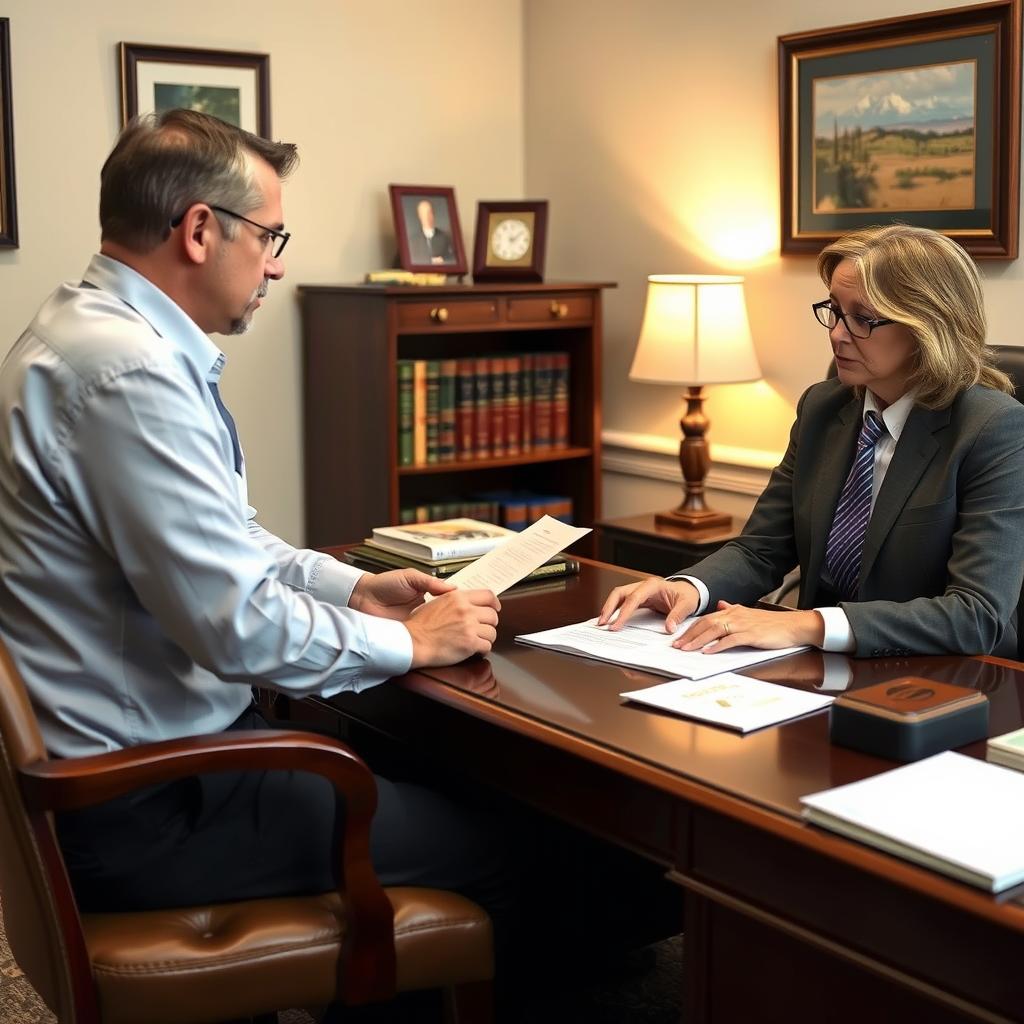
Establish Paternity Lawyer Rappahannock County, VA
Establishing paternity in Rappahannock County, Virginia, gives a child legal ties to both parents and triggers rights and obligations under Title 20 of the Virginia Code. Whether you are a mother seeking support or a father pursuing custody and visitation, understanding the legal framework under Va. Code § 20‑49.1 et seq. Is the first step. Law Offices Of SRIS, P.C. represents parents and children in paternity matters from its Fairfax Location, appearing before the Rappahannock County Juvenile and Domestic Relations District Court. Our attorneys work with clients across Washington, Sperryville, and Flint Hill to resolve parentage issues that affect custody, child support, inheritance, and access to medical history. Reach our location at (888) 437‑7747 to request a consultation.
Law Offices Of SRIS, P.C. – Advocacy Without Borders.
What Establish Paternity Means in Rappahannock County
In Virginia, paternity establishment is the legal process of determining a child’s biological father when the parents are not married. Governed by Va. Code § 20‑49.1 et seq., the action may be initiated by the mother, the alleged father, the child, or the Virginia Department of Social Services. Establishing paternity unlocks parental rights — custody, visitation, and decision‑making authority — and creates financial obligations, including child support calculated under Virginia’s guidelines. Rappahannock County hears these cases at the Juvenile and Domestic Relations District Court, located at 250 Gay Street, Suite 1, Washington, VA 22747. The J&DR court has jurisdiction over custody, support, and protective‑order matters, while the Circuit Court handles paternity issues that arise within a divorce. Because Rappahannock County is a rural area in Virginia’s Twentieth Judicial District, local court practice can differ from more urban dockets, making familiarity with the bench and procedures an advantage.
The process typically begins when a party files a petition in the J&DR court. The court may order genetic testing, schedule a hearing, and later enter an order adjudicating paternity. Once established, the father’s name can be placed on the birth certificate, and the court will address custody, visitation, and child support. A parent who wishes to avoid contested litigation may also execute a voluntary acknowledgment of paternity, though that document must meet statutory requirements to be enforceable. Whether contested or voluntary, paternity findings carry consequences that can last for years, so obtaining legal guidance early helps protect a parent’s relationship with the child and ensures support obligations are set correctly.
How Mr. Sris and His Of Counsel Handle Establish Paternity Cases
Mr. Sris and his Of Counsel approach each paternity matter by first listening to the client’s goals — whether it is to obtain parenting time, secure financial support, or defeat an unfounded claim. They gather relevant facts, review any existing genetic‑test results, and advise on the legal standards the Rappahannock County J&DR court will apply. The team then works to negotiate a resolution where possible, and when litigation is necessary, they present evidence and testimony in court to support the client’s position. All the while, they remain mindful that paternity actions directly affect a child’s well‑being and strive to reach outcomes that protect the child’s interests.
Because the firm has represented clients in Virginia since 1997, its attorneys are familiar with the procedural rhythms of Rappahannock County’s courts, including how the J&DR bench handles genetic‑test scheduling, the types of documents required for a proper adjudication, and the interplay between paternity orders and subsequent child‑support enforcement. Mr. Sris and his Of Counsel also help clients address related matters — such as amending a child’s birth certificate or modifying a support order — so that the entire family‑law picture receives consistent attention.
About Mr. Sris and His Of Counsel Team
Mr. Sris, Owner and Founder of Law Offices Of SRIS, P.C., founded the firm in 1997. A former prosecutor, he is admitted in Virginia, Maryland, the District of Columbia, New Jersey, and New York. Mr. Sris and his Of Counsel bring over 120 years of combined legal experience and have secured 4,739+ documented firm-wide results. Results may vary. The Of Counsel team — all experienced attorneys engaged through Excella — supports the firm’s family‑law practice, enabling the firm to serve clients in Rappahannock County without the overhead or rigid structure of a traditional multi‑office firm.
Frequently Asked Questions
How is paternity established in Virginia?
Paternity in Virginia can be established through a voluntary acknowledgment, an administrative order by the Division of Child Support Enforcement, or a court order following a petition filed in the Juvenile and Domestic Relations District Court. A voluntary acknowledgment requires both parents to sign a form that meets statutory criteria and is filed with the Office of Vital Records. When a party disputes paternity, the court may order genetic testing; if the results show a probability of parentage of 97 percent or higher, a rebuttable presumption of paternity arises. The court then enters an order establishing the legal father‑child relationship, which allows it to address custody, visitation, and support.
What rights does a father gain after establishing paternity in Rappahannock County?
After paternity is legally established, a father gains the right to seek custody and visitation, and he becomes obligated to provide financial support for the child. The court’s order places the father in the same legal position as a married father regarding parenting time and decision‑making authority. He may also be entitled to be listed on the child’s birth certificate and to receive notice of any future adoption or custody proceedings. The Rappahannock County J&DR court can set a parenting schedule and a child‑support amount based on the Virginia guidelines. However, a father must actually petition for those rights — they do not automatically vest.
Can a mother file a paternity action in Rappahannock County?
Yes, a mother may petition the Rappahannock County Juvenile and Domestic Relations District Court to establish paternity. The petition can be filed without the father’s consent. The court will then order genetic testing if needed, and after adjudication, will determine child support, custody, and visitation. Filing a paternity action also allows the mother to seek reimbursement of birthing expenses and past‑due support if the father is found to be the biological parent. Because the proceeding involves sensitive family dynamics, having an attorney guide the process helps ensure the mother’s goals are advanced while safeguarding the child’s well‑being.
What happens if the alleged father refuses a DNA test?
If an alleged father refuses to submit to a court‑ordered genetic test, the Virginia court may treat the refusal as evidence of paternity and enter a default finding. The judge can draw an adverse inference and establish paternity without the test results. Additionally, the court may impose sanctions for failure to comply with the testing order. Refusal does not block the case — it may accelerate it. An experienced attorney can advise on the practical consequences and help the client decide when compliance with the test is in his or her best interest or when a legal objection is appropriate.
How does paternity affect child support in Rappahannock County?
Once paternity is established, the father becomes legally responsible for supporting the child under Virginia’s child‑support guidelines, which base the amount on the combined gross income of both parents and the number of children. The Rappahannock County J&DR court will calculate support using the statutory formula and may also order the father to contribute to the child’s health insurance and unreimbursed medical expenses. Retroactive support to the date of the child’s birth is possible in some cases. If circumstances change later, either parent may seek a modification through the court. Proper paternity documentation is essential for the Division of Child Support Enforcement to assist with collection.
Internal‑link nav strip:
Family Law Lawyer Fairfax County |
Family Law Lawyer Fairfax City |
Family Law Lawyer Falls Church |
Family Law Lawyer Prince William County |
Family Law Lawyer Manassas
Virginia primary sources:
Virginia Code Title 20 (Family Law) |
Rappahannock County Circuit Court |
Virginia Judicial System
Attorney advertising. Prior results do not guarantee a similar outcome.
Results may vary.
Case results depend on a variety of factors unique to each case.