
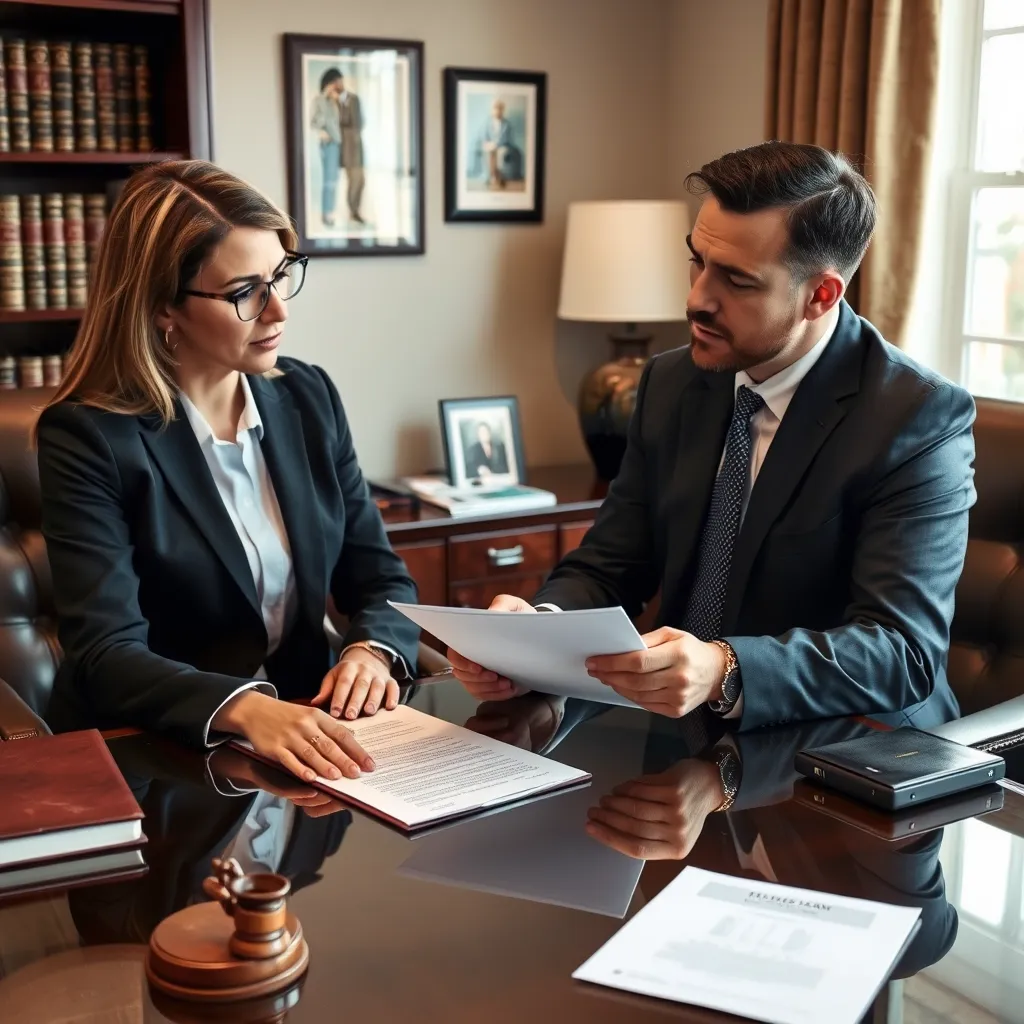
Separation Agreement Lawyer Poquoson, VA
A separation agreement is a contract between spouses who have separated or plan to separate that resolves financial, property, and support issues without immediately filing for divorce. In Poquoson, Virginia, a well‑drafted separation agreement can form the basis for a no‑fault divorce under Va. Code § 20‑91(9)(b) after a six‑month separation and can shape the equitable distribution of marital property under Va. Code § 20‑107.3. The Poquoson Circuit Court, located at 500 City Hall Avenue, hears all divorce and equitable‑distribution matters, while standalone custody, visitation, and support cases are handled by the Poquoson Juvenile and Domestic Relations District Court. Mr. Sris and his Of Counsel team help clients in Poquoson and throughout the Tidewater region craft separation agreements that protect their interests, address child‑related issues, and lay the groundwork for a clear and enforceable resolution. For a consultation about a separation agreement in Poquoson, reach Law Offices Of SRIS, P.C. at (888) 437‑7747.
Law Offices Of SRIS, P.C. — Advocacy Without Borders.
What a Separation Agreement Means in Poquoson, Virginia
In Virginia a separation agreement—often called a property settlement agreement or marital settlement agreement—allows spouses to decide the terms of their separation privately, without court intervention. Under Va. Code § 20‑109, the courts give effect to written separation agreements that are validly entered, and those agreements are incorporated or affirmed in a final divorce decree when the statutory separation period has run. For Poquoson residents, a separation agreement can resolve nearly every contested issue: division of real and personal property, allocation of retirement accounts and pensions, spousal support, health insurance coverage after divorce, and, when there are minor children, custody, visitation, and child support.
Because Virginia is an equitable‑distribution state, the factors in Va. Code § 20‑107.3 govern property classification and division, even when the parties reach their own agreement. A separation agreement that is fair, voluntary, and comprehensive is far more likely to be approved by the Poquoson Circuit Court. Mr. Sris and his Of Counsel counsel clients on the legal standards that apply, explain what the court will look for, and negotiate terms that reflect the parties’ actual financial picture and parenting goals. Poquoson’s courts see matters ranging from straightforward agreements for retired couples to complex agreements involving military pensions, business interests, and real estate near the Chesapeake Bay waterfront.
How Mr. Sris and His Of Counsel Handle Separation Agreement Cases
Mr. Sris and his Of Counsel start by learning the client’s immediate financial needs and long‑term goals. They identify all marital and separate assets, analyze the tax implications of proposed divisions, and explain the legal effect of each provision under Virginia law. If both parties are cooperative, the team can draft a single agreement that resolves all issues and serves as the foundation for an uncontested divorce. If the other spouse has already retained counsel, Mr. Sris and his Of Counsel negotiate directly to protect the client’s interests. When agreement is not possible on every point, the team prepares the client for a contested hearing in the Poquoson Circuit Court.
The process is structured yet flexible. Clients receive a detailed intake questionnaire, and the firm’s staff works to gather all necessary financial documentation. Mr. Sris and his Of Counsel review retirement‑plan and pension documents, business valuations when a closely held enterprise is part of the marital estate, and, in cases involving real property, title records and mortgage statements. Throughout the negotiation and drafting phase, the team keeps the client informed of progress and explains any legal concepts that bear on the client’s decisions. The goal is always to produce an agreement that reduces the risk of future litigation and sets clear, enforceable terms for life after separation.
About Mr. Sris and His Of Counsel Team
Mr. Sris, Owner and Founder of Law Offices Of SRIS, P.C., has practiced law since 1997 and is admitted in Virginia, Maryland, the District of Columbia, New Jersey, and New York. A former prosecutor, he brings extensive experience in evaluating evidence, negotiating under pressure, and preparing matters for trial. Mr. Sris testified before the Virginia House Courts of Justice Committee in support of 2019 HB 635 (chief patron Del. David Bulova), a bill that revised Virginia’s equitable‑distribution statute. He limits his case load to stay deeply involved with every client.
Mr. Sris and his Of Counsel bring over 120 years of combined legal experience, with 4,739+ documented firm-wide results. Results may vary. The Of Counsel attorneys who assist in family‑law matters have backgrounds that include former service as a Virginia State Trooper and as a former Maryland Assistant State’s Attorney, giving the team broad insight into investigations, evidence, and courtroom procedure. Mr. Sris and his Of Counsel represent clients at the Poquoson Circuit Court and in neighboring Tidewater courts, always working toward a well‑prepared, thorough resolution of the client’s family‑law matters.
Frequently Asked Questions
What is a separation agreement in Virginia?
A separation agreement is a written contract between spouses that resolves all issues arising from the separation—property division, support, custody, and related matters. Under Va. Code § 20‑109, courts enforce validly entered separation agreements. In Poquoson, these agreements are often used as the basis for a no‑fault divorce after six months’ separation with no minor children, or one year otherwise. The agreement can be drafted by the parties’ attorneys and submitted to the court for approval. Once incorporated into a final divorce decree, its terms become legally binding.
Do I need a lawyer for a separation agreement in Poquoson?
While Virginia law does not require an attorney to draft a separation agreement, working with an experienced lawyer helps ensure the agreement is complete, valid, and protects your rights. A poorly drafted agreement can leave you exposed to future litigation over hidden assets, support obligations, or custody disputes. Mr. Sris and his Of Counsel can identify issues you may not have considered—such as retirement‑account division, tax consequences, and language that prevents later modification—and draft provisions that follow Virginia law. For a consultation, reach Law Offices Of SRIS, P.C. at (888) 437‑7747.
How is a separation agreement different from a divorce in Virginia?
A separation agreement resolves the terms of the separation but does not itself end the marriage; a divorce decree from the Poquoson Circuit Court is required to legally dissolve the marriage. The separation agreement can, however, be the foundation for an uncontested divorce. If the parties have lived separate and apart for the required period and have a signed agreement resolving all issues, the court will grant a divorce on no‑fault grounds. The agreement’s terms are then incorporated into the final decree, giving them the force of a court order.
What should be included in a Virginia separation agreement?
A complete separation agreement in Virginia typically addresses property division, spousal support, child custody and visitation, child support, and the allocation of debts. It should identify all marital and separate property, set out which spouse keeps the family home, divide retirement accounts through a qualified domestic relations order (QDRO) if needed, and establish clear support amounts and durations. The agreement also addresses health insurance, life insurance, and tax filing status. Because Virginia applies an equitable‑distribution standard, the agreement must be fair and voluntary to withstand judicial scrutiny.
Can a separation agreement be modified after it is signed?
A separation agreement that has been incorporated into a divorce decree can be modified if both parties agree, or by the court on a showing of changed circumstances, though some provisions, such as property division, are generally final and non‑modifiable. Spousal support and child‑related provisions are more readily modified if a material change in circumstances occurs. Mr. Sris and his Of Counsel advise clients on whether a modification is legally feasible and represent them in modification proceedings in the Poquoson Juvenile and Domestic Relations District Court or Circuit Court, as appropriate. For guidance on your specific situation, reach Law Offices Of SRIS, P.C. at (888) 437‑7747.
Related family‑law resources:
Fairfax County Family Law Lawyer |
Fairfax City Family Law Lawyer |
Falls Church Family Law Lawyer |
Prince William County Family Law Lawyer |
Manassas Family Law Lawyer
Virginia family‑law authority:
Virginia Code Title 20 — Domestic Relations |
Poquoson General District Court |
Virginia Judicial System
Attorney advertising. Prior results do not guarantee a similar outcome.
Results may vary.
Case results depend on a variety of factors unique to each case.