
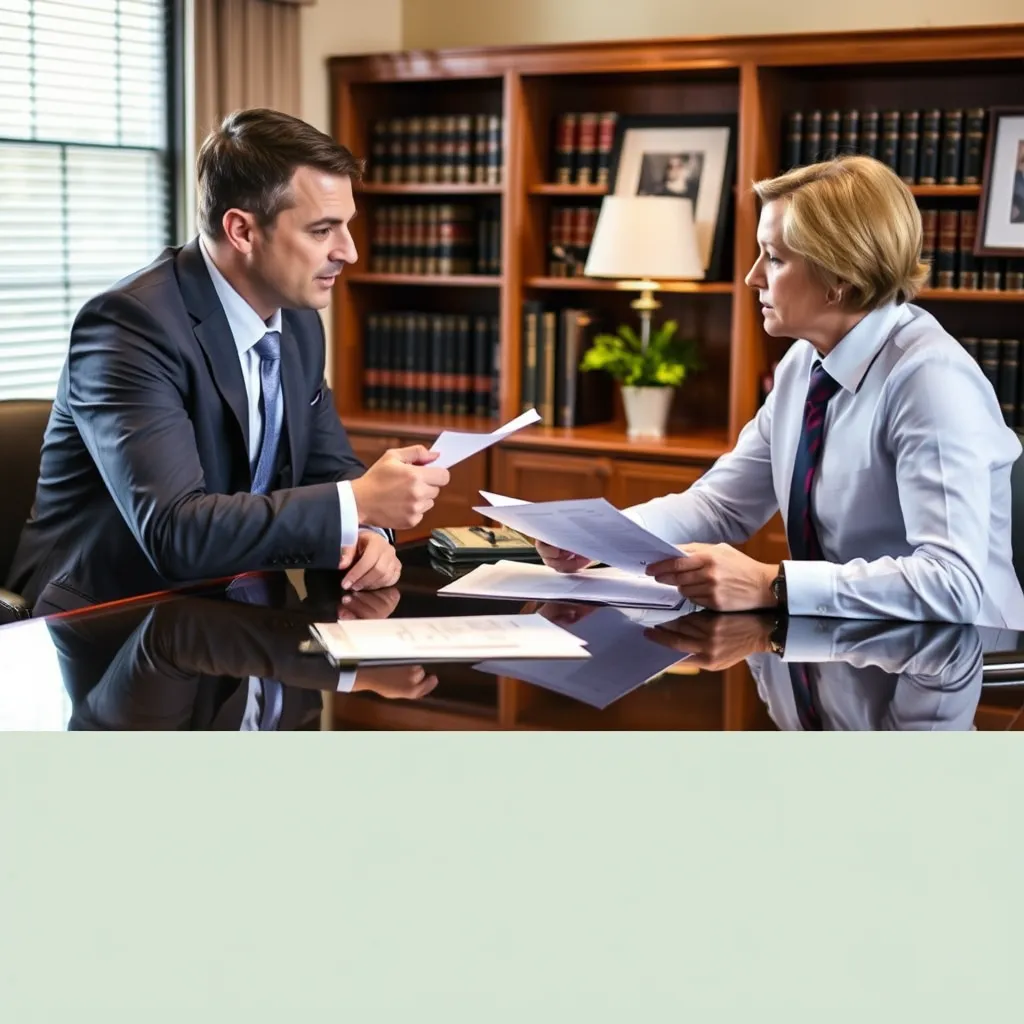
Cheap Uncontested Divorce Lawyer Alexandria, VA
An uncontested divorce is the most cost-effective path to ending a marriage in Virginia, and it does not have to mean sacrificing quality legal representation. For individuals and couples in Alexandria, Old Town, Del Ray, Kingstowne, and throughout the City of Alexandria, the experienced attorneys at Law Offices Of SRIS, P.C. provide streamlined, affordable uncontested divorce services that keep costs down while protecting your rights. An uncontested divorce proceeds when both spouses agree on all major issues—property division, spousal support, and, if children are involved, custody, visitation, and child support—and are willing to put those agreements in writing. Because the dispute is resolved without contested court hearings, the process is faster, less stressful, and far less expensive than litigation. Mr. Sris and the firm’s Of Counsel attorneys have extensive combined experience helping Alexandria residents finalize uncontested divorces efficiently. To discuss your situation and learn how an uncontested divorce might work for you, reach Law Offices Of SRIS, P.C. at (888) 437-7747. Law Offices Of SRIS, P.C. – Advocacy Without Borders.
What Cheap Uncontested Divorce Means in Alexandria, Virginia
Virginia law allows couples to obtain a divorce without proving fault when they have lived separate and apart for the required period. Under Va. Code § 20-91(9), an uncontested no-fault divorce is available after a six-month separation if there are no minor children of the marriage and the parties have entered into a written separation agreement. When there are minor children, the separation period extends to one year. In either case, the divorce is uncontested because the spouses agree on the terms of the dissolution and present a united petition to the court.
In the City of Alexandria, divorce cases are filed in the Alexandria Circuit Court, located at 520 King Street, which has exclusive original jurisdiction over all suits for divorce under Va. Code § 20-96. Matters involving custody, visitation, or support may also be heard in the Alexandria Juvenile and Domestic Relations District Court. Because the Circuit Court does not require a trial when all issues are resolved by agreement, an uncontested divorce typically moves through the system with fewer court appearances and less expense. Law Offices Of SRIS, P.C. assists clients in preparing the necessary complaint, separation agreement, and supporting documents so that the court has everything it needs to grant the divorce efficiently. The firm’s familiarity with the local court’s procedural expectations helps avoid delays that can drive up costs.
How Mr. Sris and the Firm’s Of Counsel Attorneys Handle Uncontested Divorce Cases
The firm takes a practical, document-driven approach to uncontested divorce in Alexandria. Mr. Sris, a former prosecutor, and the firm’s Of Counsel attorneys begin by reviewing the circumstances of the marriage to confirm that the uncontested path is appropriate. Every uncontested divorce requires a comprehensive marital settlement agreement that addresses property classification under Va. Code § 20-107.3 (Virginia’s equitable distribution statute), spousal support if applicable, and, when children are involved, custody, visitation, and child support according to the Virginia guidelines. The firm drafts or reviews this agreement to ensure it reflects the parties’ wishes and stands up to court scrutiny.
Once the separation period has run, the firm prepares and files the complaint for divorce with the Alexandria Circuit Court. Because all issues are resolved by agreement, the court can grant the divorce on a simple motion and affidavit, often without a hearing when the paperwork is complete. Mr. Sris and the firm’s Of Counsel attorneys ensure that the documentation is accurate and that any required corroborating witness or testimony is properly presented. By handling the procedural steps efficiently and avoiding unnecessary litigation, the firm helps clients achieve a divorce that is both legally sound and affordable. The timeline depends on the court’s schedule and the specific facts of the case, but uncontested divorces generally resolve more quickly than contested matters.
About Mr. Sris and the Firm’s Of Counsel Attorneys
Mr. Sris is the Owner and Founder of Law Offices Of SRIS, P.C. He has practiced law since 1997 and is admitted in Virginia, Maryland, the District of Columbia, New Jersey, and New York. As a former prosecutor, he brings a disciplined, detail-oriented perspective to family law matters, including uncontested divorce. Mr. Sris testified before the Virginia House Courts of Justice Committee in support of 2019 HB 635 (chief patron Del. David Bulova). The firm’s Of Counsel attorneys are experienced in family law and contribute their skill to each case. Together, Mr. Sris and the firm’s Of Counsel attorneys bring extensive combined legal experience. Results may vary. in any case.
Frequently Asked Questions
What is an uncontested divorce in Virginia?
An uncontested divorce in Virginia is a divorce in which the spouses have reached a complete agreement on all issues and neither party is contesting the dissolution. The grounds are typically no-fault after a separation period of six months (if no minor children and a signed separation agreement) or one year. The parties present the agreement to the Alexandria Circuit Court, which can grant the divorce without a contested hearing. This path is generally quicker and less expensive because it avoids litigation over property division, support, and custody.
How do I get a cheap uncontested divorce in Alexandria?
A cheap uncontested divorce in Alexandria is achieved by resolving all issues by agreement and filing the necessary documents correctly the first time. Working with an experienced attorney who knows the Alexandria Circuit Court’s procedures reduces the risk of rejected filings or scheduling delays that increase costs. The firm helps clients prepare a separation agreement, file the complaint, and present the case succinctly so that the court can grant the divorce with minimal additional expense. Contact Law Offices Of SRIS, P.C. at (888) 437-7747 to discuss your options.
Do I need a lawyer for an uncontested divorce?
Virginia law does not require you to hire a lawyer for an uncontested divorce, but having legal representation helps ensure the separation agreement correctly addresses all property, support, and custody issues. A poorly drafted agreement can lead to future disputes or an unenforceable provision. An attorney can also confirm that Virginia’s equitable distribution rules under Va. Code § 20-107.3 are satisfied and that the divorce decree is valid. For a consultation, reach Mr. Sris and the firm’s Of Counsel attorneys at (888) 437-7747.
How long does an uncontested divorce take in Alexandria?
The timeline for an uncontested divorce in Alexandria depends on the applicable separation period and the court’s schedule, but once the separation requirement is met, the final decree can be obtained in a matter of weeks to a few months. If the parties have been separated for the required six months or one year and all documents are in order, the Alexandria Circuit Court can grant the divorce promptly. Delays most often occur when the paperwork is incomplete or the agreement omits required terms. The firm works to prepare a complete filing so that the court can move the case forward efficiently.
How much does a cheap uncontested divorce cost in Alexandria?
The cost of an uncontested divorce in Alexandria varies based on the complexity of the marital estate and whether children are involved. Court filing fees and service costs are generally modest, and the largest variable is the legal fee, which is typically lower for uncontested cases because they require less court time. Law Offices Of SRIS, P.C. offers consultations by appointment so you can receive a clearer picture of the likely costs for your specific circumstances. Call (888) 437-7747 to schedule a consultation.
Which court handles uncontested divorce in Alexandria?
Uncontested divorce cases in Alexandria are filed in the Alexandria Circuit Court, located at 520 King Street. The Circuit Court has exclusive original jurisdiction over divorce in Virginia. While the Alexandria Juvenile and Domestic Relations District Court handles separate custody, support, and protective‑order matters, the divorce itself must be heard in the Circuit Court. The firm regularly files uncontested divorce complaints in the Alexandria Circuit Court and can guide you through the local filing procedures.
Internal Resources: Explore our Fairfax County Family Law Lawyer page, Prince William County Family Law Lawyer page, and Manassas Family Law Lawyer page for related locality information.
Virginia Legal Resources: Review the Virginia Code Title 20 (Domestic Relations) for the full text of the divorce statutes, and visit the Alexandria Circuit Court site for local court information.
Attorney advertising. Prior results do not guarantee a similar outcome. Results may vary. The information on this page is for general informational purposes only and does not constitute legal advice. Consult an attorney for advice regarding your individual situation. The attorneys at Law Offices Of SRIS, P.C. are admitted to practice in Virginia, Maryland, the District of Columbia, New Jersey, and New York. Offices by appointment only. © 1997–2026 Law Offices Of SRIS, P.C.
Case results depend on a variety of factors unique to each case.