
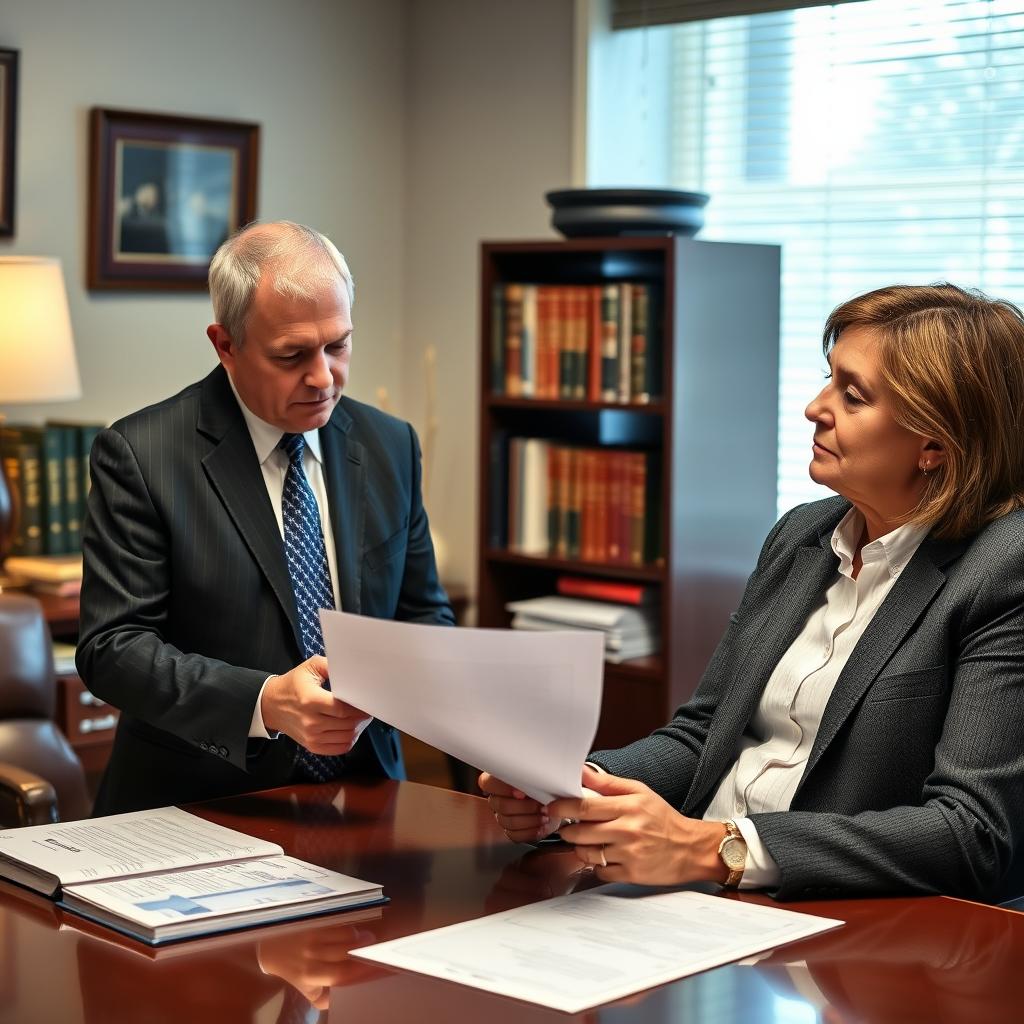
Armed Forces Divorce Lawyer Fauquier County
An Armed Forces Divorce Lawyer Fauquier County handles the specific legal issues for military members stationed in or near Fauquier County, Virginia. The Law Offices Of SRIS, P.C. —Advocacy Without Borders. provides direct legal counsel for service members facing divorce. Virginia law has special provisions for military divorces regarding residency, service of process, and asset division. (Confirmed by SRIS, P.C.)
Statutory Definition of Military Divorce in Virginia
Virginia Code § 20-97 governs jurisdiction for military divorces, requiring the petitioner or respondent to be a resident of Virginia for at least six months. For an Armed Forces Divorce Lawyer Fauquier County, the key is establishing that Fauquier County is the proper venue. This often hinges on where the service member is legally domiciled, not merely where they are stationed. The Servicemembers Civil Relief Act (SCRA) provides protections against default judgments. A military member can request a stay of proceedings if their service materially affects their ability to appear.
Virginia divorce law applies equally to civilians and service members. The procedural hurdles are different for those in the Armed Forces. A military divorce in Fauquier County must comply with both state and federal statutes. Jurisdiction is the first major battle in any military divorce case. The court must have authority to hear the case before it can rule on anything else. Residency is often contested when one spouse is deployed or recently transferred. Proving domicile in Virginia requires evidence like voter registration or driver’s license. An intent to remain in the state after service is a critical factor.
How does the SCRA affect a Fauquier County divorce filing?
The SCRA allows active-duty members to delay court proceedings. A service member can request a stay of at least 90 days upon application to the court. This protection prevents a default divorce judgment due to deployment or duty. The Fauquier County Circuit Court must grant this stay if the service affects appearance. The stay can be extended by the court based on continued military necessity. This federal law trumps any conflicting state procedural rules.
What defines residency for a service member in Virginia?
Residency is defined by domicile, not just physical presence. A service member can claim Virginia residency if they intend to remain here. This intent can be shown through actions like paying state taxes. Registering to vote in Virginia is strong evidence of domicile. Obtaining a Virginia driver’s license also supports a residency claim. The six-month residency requirement must be met before filing. The filing can occur in the county where the petitioner resides.
How are military pensions divided in a Virginia divorce?
Military pensions are marital property subject to division under Virginia law. The Uniformed Services Former Spouses’ Protection Act (USFSPA) allows direct payment. The Virginia court can order the Defense Finance and Accounting Service to pay. The 10/10 rule is a common misconception; it is not a Virginia requirement. The court determines the share based on the length of the marriage during service. A qualified domestic relations order (QDRO) is not used for military pensions. A court order must meet specific DFAS requirements for enforcement.
The Insider Procedural Edge in Fauquier County Circuit Court
The Fauquier County Circuit Court is located at 29 Ashby Street, Warrenton, VA 20186. This court handles all divorce filings for Fauquier County residents, including military members. Procedural specifics for Fauquier County are reviewed during a Consultation by appointment at our Warrenton Location. The court requires strict adherence to local filing rules and cover sheets. Filing fees are set by Virginia statute and are subject to change. Military members should file a Military Affidavit with their initial complaint. This form details the service member’s active-duty status and contact information.
The court’s civil division manages divorce dockets. Expect procedural hearings to address jurisdiction and scheduling first. The court clerk’s Location can provide forms but not legal advice. Local Rule 1:13 outlines motion practice and hearing requirements. All pleadings must be served according to Virginia Supreme Court rules. Service on a deployed member can be accomplished through special methods. The SCRA mandates specific steps for constructive service in these cases. Failure to follow these steps can result in a dismissed case.
What is the typical timeline for a military divorce in this court?
A contested military divorce can take nine months to over a year. The timeline starts with filing the complaint and serving the other party. The respondent has 21 days to file an answer if served in Virginia. If served out-of-state, they have 30 days to respond. Discovery and negotiation phases add several months to the process. A final hearing date is set only after all issues are resolved. Deployment or training can extend this timeline significantly.
Are there specific local rules for military cases in Warrenton?
The Fauquier County Circuit Court follows Virginia Supreme Court rules. Local rules focus on filing procedures and motion schedules. The court expects attorneys to be familiar with the SCRA’s requirements. Judges may require proof of compliance with the SCRA’s stay provisions. Early scheduling conferences are common to manage cases with deployed parties. The court aims to accommodate military duties when setting hearings.
Penalties & Defense Strategies in Military Divorce
The most common penalty in divorce is an unequal distribution of assets or unfavorable support orders. There are no criminal penalties, but financial consequences are severe. The court can order division of military pensions and Thrift Savings Plans. It can also award spousal support based on Virginia guidelines. Child support is calculated using the state’s statutory formula. Failure to comply with court orders can result in contempt charges. Contempt can lead to fines or even jail time for non-military issues.
| Offense / Issue | Penalty / Consequence | Notes |
|---|---|---|
| Failure to Disclose Military Pension | Court can award 100% of undisclosed asset to other spouse | Based on fraud on the court |
| Violation of Child Support Order | Contempt of court, fines, wage garnishment, license suspension | Military pay can be garnished via DFAS |
| Ignoring SCRA Stay Provisions | Default judgment may be vacated; case restarted | Protects service member’s due process rights |
| Improper Service on Deployed Member | Dismissal of divorce complaint without prejudice | Plaintiff must restart entire filing process |
[Insider Insight] Fauquier County prosecutors in related contempt cases focus on enforcement of existing orders. The Commonwealth’s Attorney will pursue contempt for non-payment of support. They work closely with the Division of Child Support Enforcement. The court expects strict compliance with all financial decrees. Judges here view the military member’s income as stable and garnishable. Early engagement with criminal defense representation is critical if contempt is alleged.
How can a military member protect their pension?
Accurate valuation of the pension at the date of divorce is essential. The marital share is calculated using a coverture fraction. This fraction is time married during service divided by total service time. A direct payment order through DFAS requires a court order meeting federal law. The order must clearly state the percentage or fixed amount to be paid. Survivor Benefit Plan elections must be addressed in the final decree.
What are the defenses against unfair support orders?
Challenge the imputation of income based on military pay and allowances. Basic Allowance for Housing (BAH) is often included in income calculations. Argue for accurate deductions for military-specific expenses. Deployment-related combat pay may be excluded from support calculations. Provide evidence of actual time-sharing with children for custody impact. Document any voluntary additional support already being provided.
Why Hire SRIS, P.C. for Your Fauquier County Military Divorce
Attorney Bryan Block leads our military divorce practice with direct experience in service-related legal issues. His background provides insight into the unique pressures facing military families. SRIS, P.C. has handled numerous family law cases in Fauquier County. Our team understands the local court’s expectations for military cases. We prepare every case with the assumption it will go to trial. This preparation forces better settlements during negotiation. We know how to present complex military pay issues to a civilian judge.
Bryan Block
Primary Attorney for Military Family Law
Extensive experience with SCRA and USFSPA compliance
Focuses on protecting service member pensions and custody rights
Direct approach to negotiation and litigation in Fauquier County
Our firm difference is in the detailed preparation of financial disclosures. We work with forensic accountants familiar with military finance. We ensure all DFAS requirements are met in court orders. This prevents enforcement delays after the divorce is final. We coordinate with our experienced legal team across practice areas. This is crucial if a divorce case intersects with other legal issues. We provide a single point of contact for your entire case. You will know who is handling your file at all times.
Localized FAQs for Military Divorce in Fauquier County
Can I file for divorce in Fauquier County if I am stationed at Fort Belvoir?
Yes, if you claim Virginia and Fauquier County as your legal domicile. Physical station location does not solely determine venue. Your intent to return to Fauquier County after service is key. Provide evidence like a local driver’s license or voter registration.
How is BAH treated in child support calculations in Virginia?
BAH is considered gross income for Virginia child support calculations. The amount is included in the monthly gross income figure. The Virginia child support guidelines software inputs this data automatically. This often results in higher support obligations for service members.
What happens to my VA disability pay in a divorce?
VA disability pay is not divisible as marital property in a divorce. Federal law precludes state courts from dividing this asset. It is also not counted as income for spousal support calculations. It can be considered for child support in some circumstances.
Can my spouse get a divorce if I am deployed overseas?
Yes, but the SCRA protects you from a default judgment. Your spouse must properly serve you under the SCRA’s rules. You can request a stay of proceedings due to your deployment. The Fauquier County court must grant a minimum 90-day stay.
How long do I have to be separated before filing in Virginia?
Virginia requires a one-year separation for a no-fault divorce. The separation must be continuous and without cohabitation. For a fault-based divorce, no separation period is required. Military deployment can count toward the separation period.
Proximity, CTA & Disclaimer
Our Fauquier County Location serves clients throughout the region. We are accessible to those stationed at Fort Belvoir, Quantico, and The Pentagon. Procedural specifics for your case are reviewed during a Consultation by appointment. Call 703-278-0405 24/7 to discuss your military divorce. We provide Virginia family law attorneys who understand military service. Our team is prepared to address the challenges of your situation. SRIS, P.C. is a Virginia-based law firm with a Location in Warrenton.
Law Offices Of SRIS, P.C.
—Advocacy Without Borders.
Consultation by appointment. Call 703-278-0405. 24/7.
Past results do not predict future outcomes.