
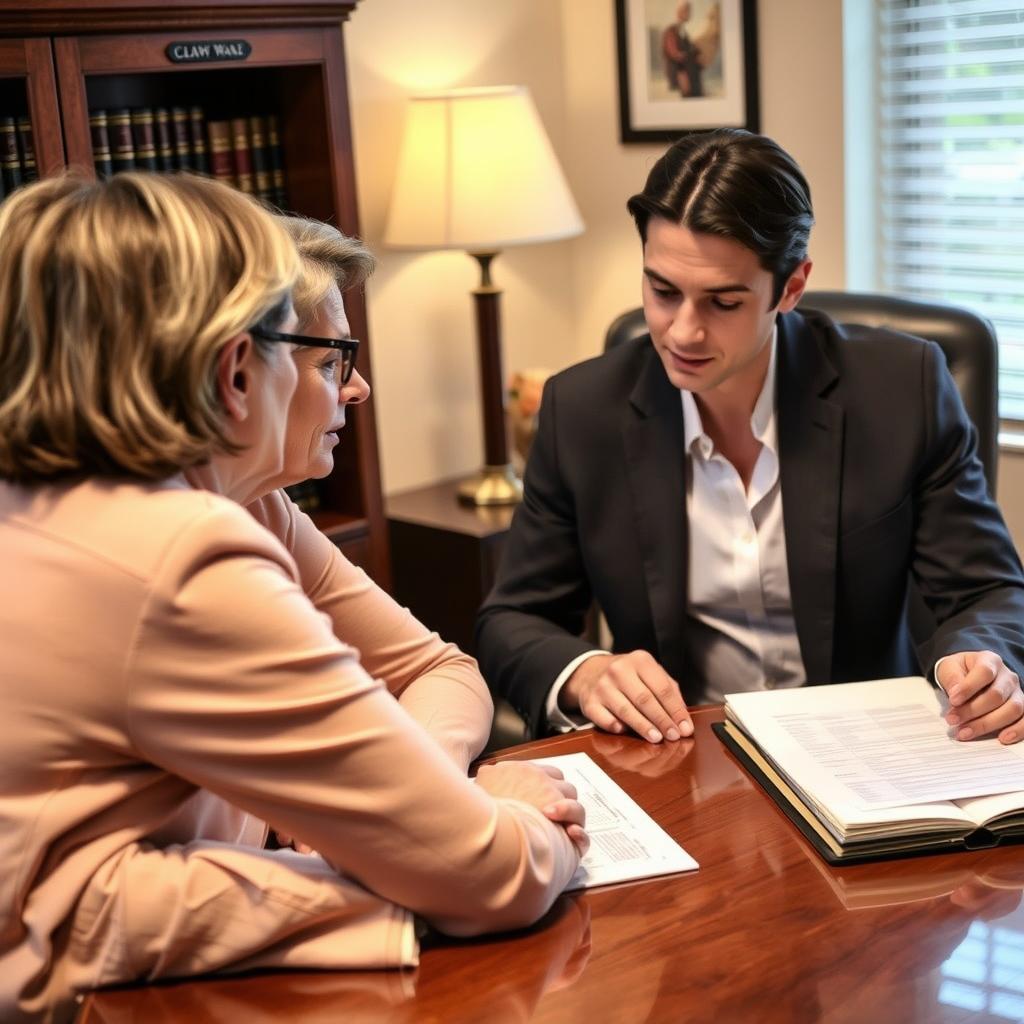
Adultery Divorce Lawyer Fairfax County
An Adultery Divorce Lawyer Fairfax County handles cases where infidelity is the legal ground for ending a marriage. Virginia law treats adultery as a fault-based ground for divorce with specific procedural requirements. Law Offices Of SRIS, P.C.—Advocacy Without Borders. provides direct legal representation for these sensitive matters in Fairfax County Circuit Court. (Confirmed by SRIS, P.C.)
Statutory Definition of Adultery in Virginia Divorce
Virginia Code § 20-91(A)(1) defines adultery as a Class 4 misdemeanor and a fault ground for divorce. The statute requires proof of voluntary sexual intercourse by your spouse with someone other than you. This act must have occurred after the marriage ceremony. The complaining spouse must also prove they did not cohabit with the offending spouse after learning of the adultery. Proving this fault ground can affect alimony, property division, and the final divorce decree.
An adultery divorce lawyer Fairfax County uses this statute to build your case. The classification as a misdemeanor highlights the serious nature of the allegation in court. While the criminal penalty is minor, the civil consequences in divorce are significant. You must file your complaint in the circuit court where you or your spouse resides. SRIS, P.C. attorneys analyze the specific facts against this legal definition.
What evidence proves adultery in a Virginia divorce?
Direct evidence like photographs or admissions is rare in these cases. Courts in Fairfax County often rely on circumstantial evidence to infer the act occurred. This can include hotel receipts, text messages, or witness testimony about opportunity and inclination. The standard of proof is a preponderance of the evidence, not beyond a reasonable doubt. An experienced Virginia family law attorney knows what evidence the local judges will accept.
Does a no-fault divorce eliminate the need to prove adultery?
Filing for a no-fault divorce under separation grounds can avoid proving adultery. Choosing a no-fault divorce means you forego using the fault as a factor in the case. This can simplify the process if you have lived apart for the required statutory period. However, proving adultery can impact spousal support awards under Virginia Code § 20-107.1. Your lawyer will advise on the strategic benefits of a fault-based versus no-fault approach in Fairfax County.
Can you sue the other man or woman for adultery in Virginia?
Virginia’s “alienation of affections” tort was abolished, so you cannot sue the third party. Your legal action is solely against your spouse as the defendant in the divorce case. The court’s focus is on the marital relationship and the offending spouse’s conduct. Damages are not awarded from the third party involved in the affair. Your criminal defense representation team can explain related legal boundaries.
The Insider Procedural Edge in Fairfax County
Your case is filed at the Fairfax County Circuit Court located at 4110 Chain Bridge Road, Fairfax, VA 22030. This court handles all fault-based divorce complaints, including those grounded in adultery. The procedural timeline from filing to final hearing can vary based on case complexity and court dockets. Filing fees are set by the state and are subject to change; current amounts are confirmed at filing. Procedural specifics for Fairfax County are reviewed during a Consultation by appointment at our Fairfax Location.
The Fairfax County Circuit Court has specific local rules governing family law motions and hearings. You must properly serve the divorce complaint on your spouse to initiate the legal process. If the spouse cannot be located, you may need to seek service by publication. The court requires financial disclosures and often mandates settlement conferences before trial. An adultery divorce lawyer Fairfax County handles these local rules efficiently.
How long does an adultery divorce take in Fairfax County?
An uncontested adultery divorce can be finalized relatively quickly if the defendant admits to the fault. A contested case where adultery is denied can take many months or over a year to resolve. The timeline depends on evidence gathering, discovery disputes, and the court’s trial schedule. The mandatory waiting period for a divorce decree is one year from the date of separation if adultery is proven. SRIS, P.C. works to move your case forward without unnecessary delay.
What are the court costs for filing an adultery divorce?
Court filing fees are a separate cost from your legal representation fees. These fees cover the initial complaint, various motions, and the final decree of divorce. Additional costs may include fees for serving legal papers or for court-appointed commissioners. The exact cost structure should be discussed during your initial case review. Our team provides clear information on all anticipated costs for your Fairfax County case.
Penalties & Defense Strategies in Adultery Divorce
The most common penalty in an adultery divorce is the impact on spousal support and property division. A finding of adultery can bar the offending spouse from receiving spousal support under Virginia law. It can also influence a judge’s discretion when dividing marital assets and debts. While adultery itself is a misdemeanor, the court rarely pursues criminal penalties in the divorce context. The real consequences are financial and embedded in the final divorce order.
| Offense / Finding | Penalty / Consequence | Notes |
|---|---|---|
| Proven Adultery | Bar to Spousal Support | Virginia Code § 20-107.1 |
| Fault-Based Divorce Decree | Impact on Property Division | Judge has broader discretion |
| Criminal Adultery Charge | Class 4 Misdemeanor | Rarely prosecuted separately |
| Contempt for Violating Orders | Fines or Jail | If court orders are violated during proceedings |
[Insider Insight] Fairfax County prosecutors do not typically initiate criminal charges for adultery alone. The family law judges, however, take the allegation seriously in the divorce proceeding. The local trend is to focus on the financial and custodial ramifications of the fault. A skilled lawyer anticipates how local judges weigh this evidence when deciding support and property issues. This insight shapes case strategy from the start.
How does adultery affect child custody in Virginia?
Adultery alone does not automatically affect custody or visitation rights in Virginia. The court’s sole focus in custody matters is the best interest of the child. If the adulterous conduct directly harmed the child or the parent’s ability to care for them, it may become a factor. Examples include exposing the child to the affair or using marital funds for the affair to the child’s detriment. A our experienced legal team argues custody based on parenting ability, not marital fault alone.
Can a prenuptial agreement affect an adultery divorce?
A well-drafted prenuptial agreement can control the financial outcome of an adultery divorce. The agreement may define separate property, waive spousal support, or outline a property division formula. Virginia courts generally uphold prenuptial agreements if they were entered into voluntarily and are not unconscionable. The agreement cannot dictate child custody or child support, as those are based on the child’s current best interests. Your lawyer must review any existing agreement immediately.
Why Hire SRIS, P.C. for Your Adultery Divorce
Attorney Bryan Block brings direct experience from his background as a former law enforcement officer to your case. His insight into investigation and evidence is critical for building or defending against an adultery claim. SRIS, P.C. has achieved numerous favorable outcomes for clients in Fairfax County family law courts. Our approach is direct, strategic, and focused on protecting your financial and parental interests. We provide Advocacy Without Borders for clients facing difficult marital dissolutions.
Bryan Block
Former law enforcement officer with direct investigative experience.
Extensive practice in Virginia family law and circuit court litigation.
Part of the team at SRIS, P.C. dedicated to client advocacy.
Our Fairfax Location is staffed with attorneys who know the local judges and procedures. We prepare every case as if it will go to trial, which often leads to stronger settlement positions. We understand the emotional difficulty of these cases and provide clear, realistic legal advice. You need a lawyer who will fight for your rights in and out of the courtroom. Contact SRIS, P.C. to discuss your situation with a qualified adultery divorce lawyer Fairfax County.
Localized FAQs for Adultery Divorce in Fairfax County
What is the difference between adultery and cruelty in a Virginia divorce?
Adultery involves voluntary sexual intercourse outside the marriage. Cruelty involves reasonable apprehension of bodily hurt or willful mental distress. Both are fault grounds, but the required evidence and potential consequences differ. Procedural specifics for Fairfax County are reviewed during a Consultation by appointment.
Can I get a divorce in Fairfax County if my spouse denies the adultery?
Yes, but you must proceed with a contested divorce and prove the allegation. This requires presenting admissible evidence to the Fairfax County Circuit Court judge. If you cannot meet the burden of proof, the court may dismiss the fault ground. An experienced lawyer is essential for contested fault cases.
How does adultery affect the division of a military pension in Virginia?
Adultery is a factor the court may consider when dividing marital property, including a military pension. Virginia uses an equitable distribution system, and fault can affect what the court deems “equitable.” The Uniformed Services Former Spouses’ Protection Act governs the division process. A lawyer familiar with both family law and military rules is crucial.
Do I have to name the person my spouse committed adultery with in the divorce papers?
Virginia law does not require you to name the co-respondent in your divorce complaint. It is common practice to refer to them as “a person unknown” or by a fictitious name like “John Doe.” Naming the individual can complicate proceedings and is often avoided strategically. Your attorney will advise on the best approach for your case.
What if I committed adultery too? Can I still file for divorce on that ground?
Virginia follows the doctrine of recrimination, which can bar a divorce if both spouses are guilty of adultery. If both parties have committed adultery, the court may deny a divorce on that fault ground. You may need to use another ground, such as one-year separation. Discuss all facts openly with your DUI defense in Virginia team for accurate guidance.
Proximity, CTA & Disclaimer
Our Fairfax Location serves clients throughout Fairfax County, Virginia. We are accessible for meetings to discuss your adultery divorce case. Consultation by appointment. Call 703-278-0405. 24/7.
SRIS, P.C.
Location in Fairfax, Virginia
Phone: 703-278-0405
Past results do not predict future outcomes.